Making The Trent Valley Cabinet of Curiosities

Emily Andrews and The Stafford and Rugeley Sea Cadets
protection, reverence and ritual
Artist Emily Andrews was interested in exploring how folklore and ritual can impact how we see our waterways - changing our relationship with the river to one of stewardship and connection. Drawing inspiration from folk traditions from the UK and around the world Emily set out to work with local young people to create a new folklore character - to protect and bring good fortune to the River Trent.
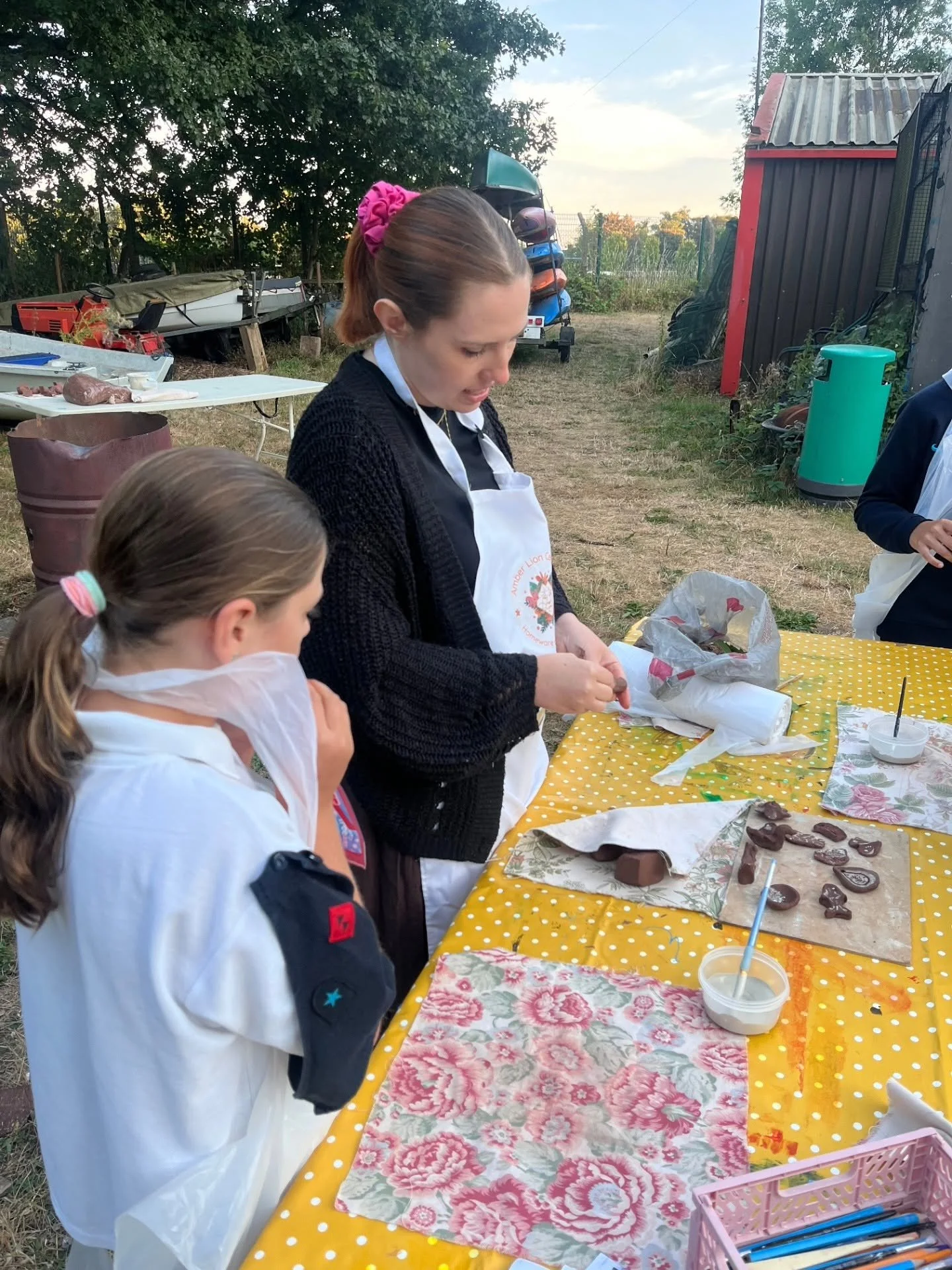
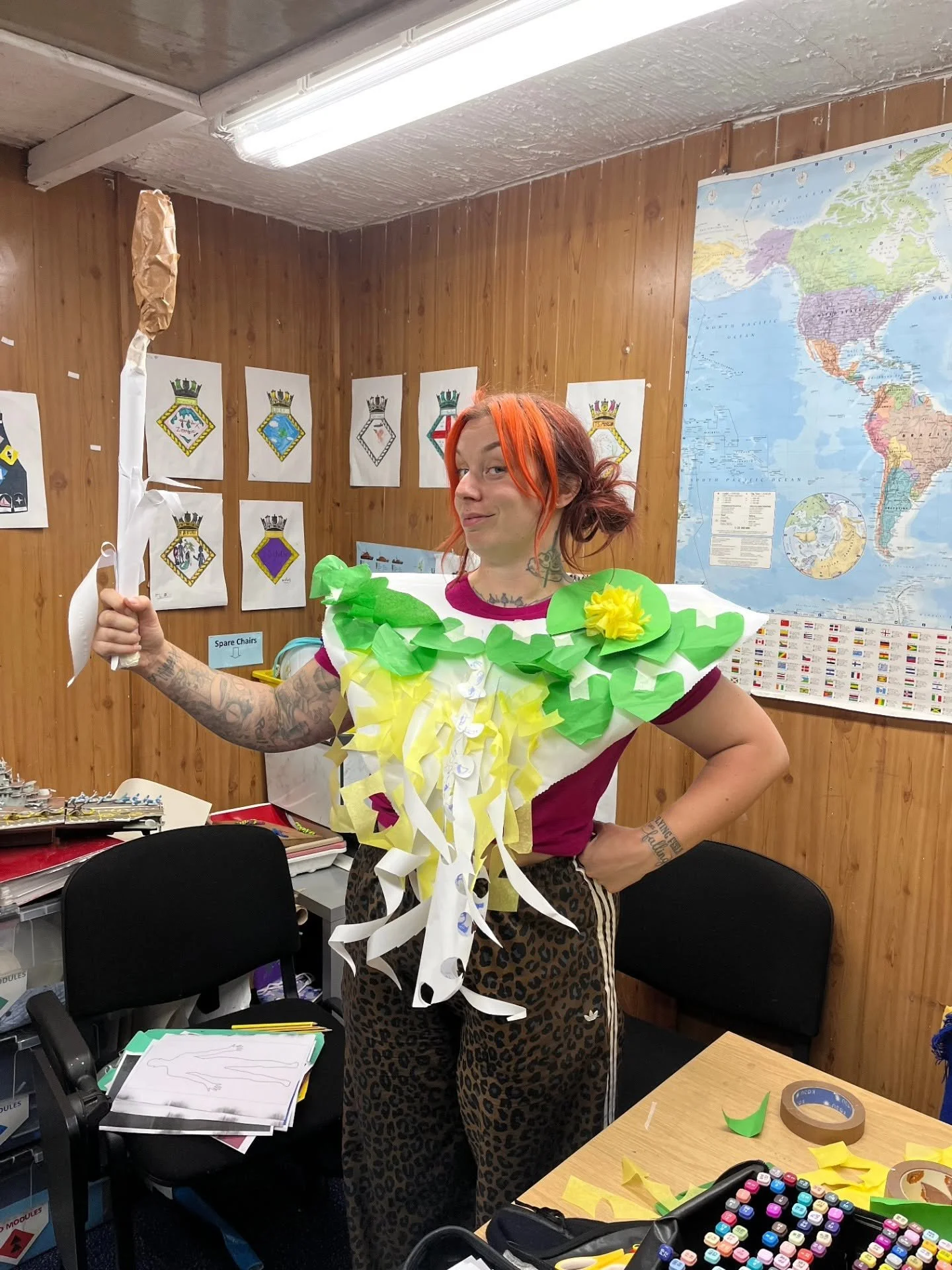
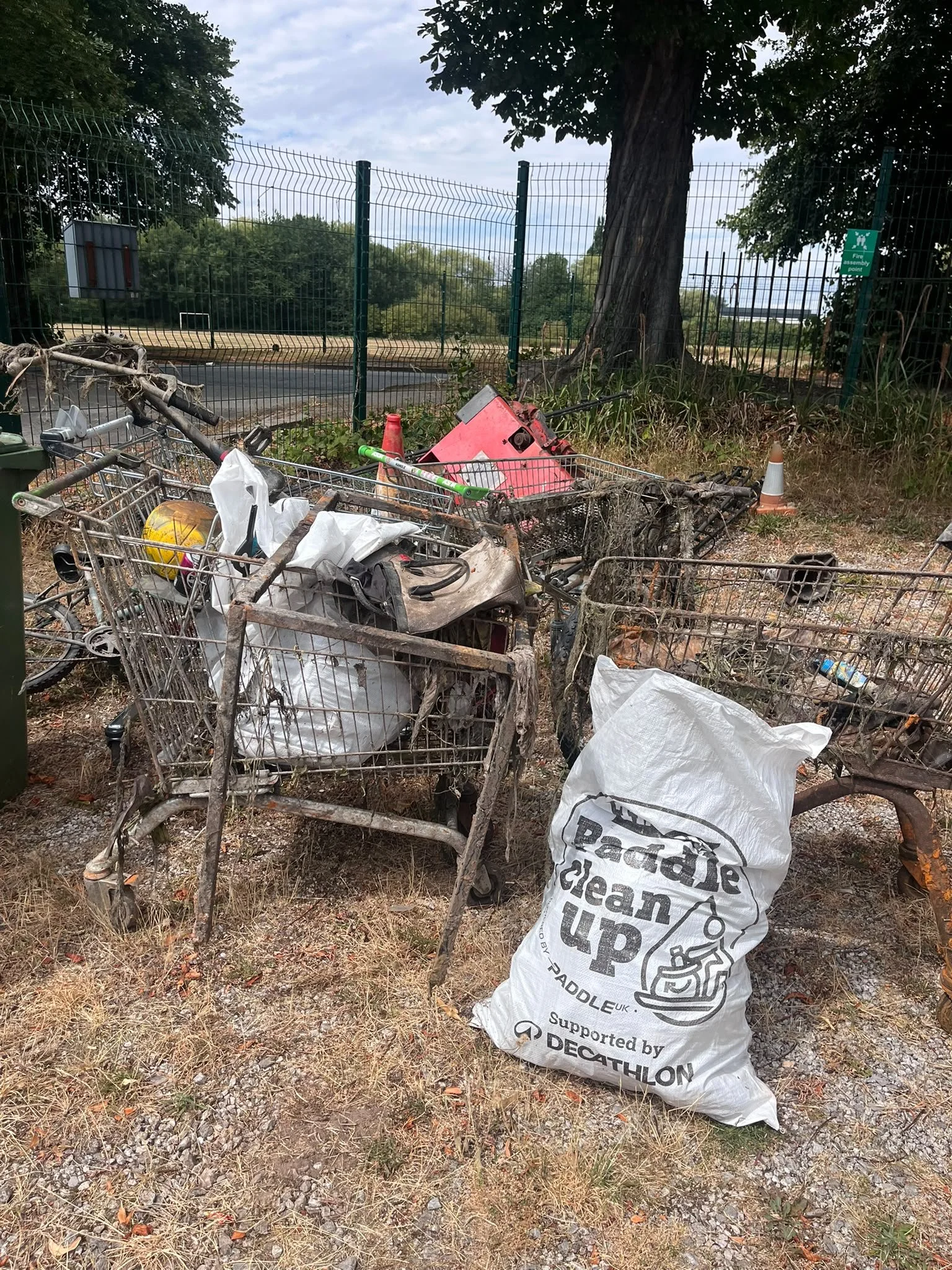
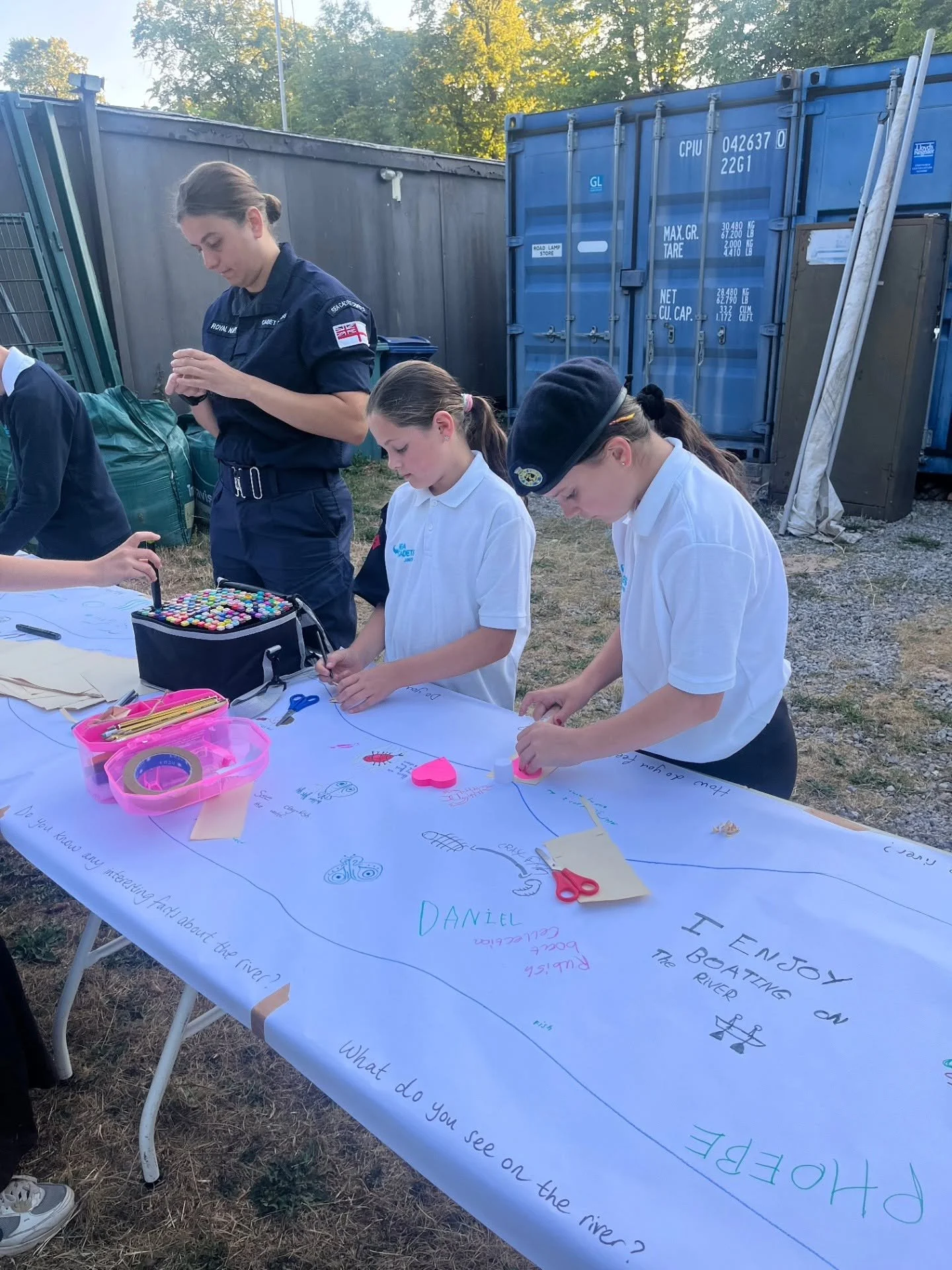
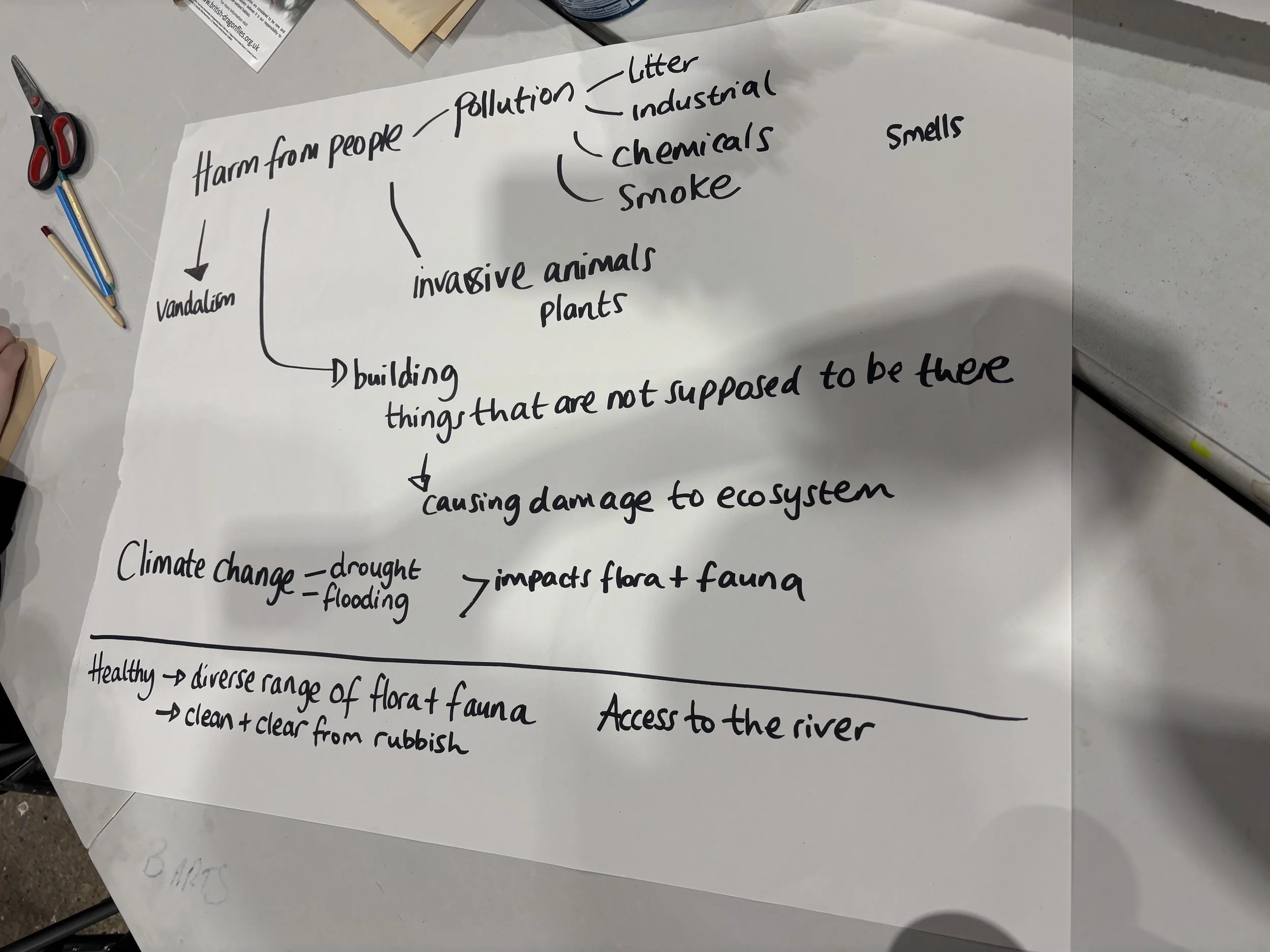
Over the summer Emily worked with the Stafford and Rugeley Sea Cadets. The group explored what the river meant to them and thought about what the river might need protection from and how it could be protected. As regular users of the Trent’s tributary, The River Sow, the Sea Cadets had seen first hand the impact pollution and rubbish was having on the health of the river - often taking part in ‘Paddle Clean Ups’
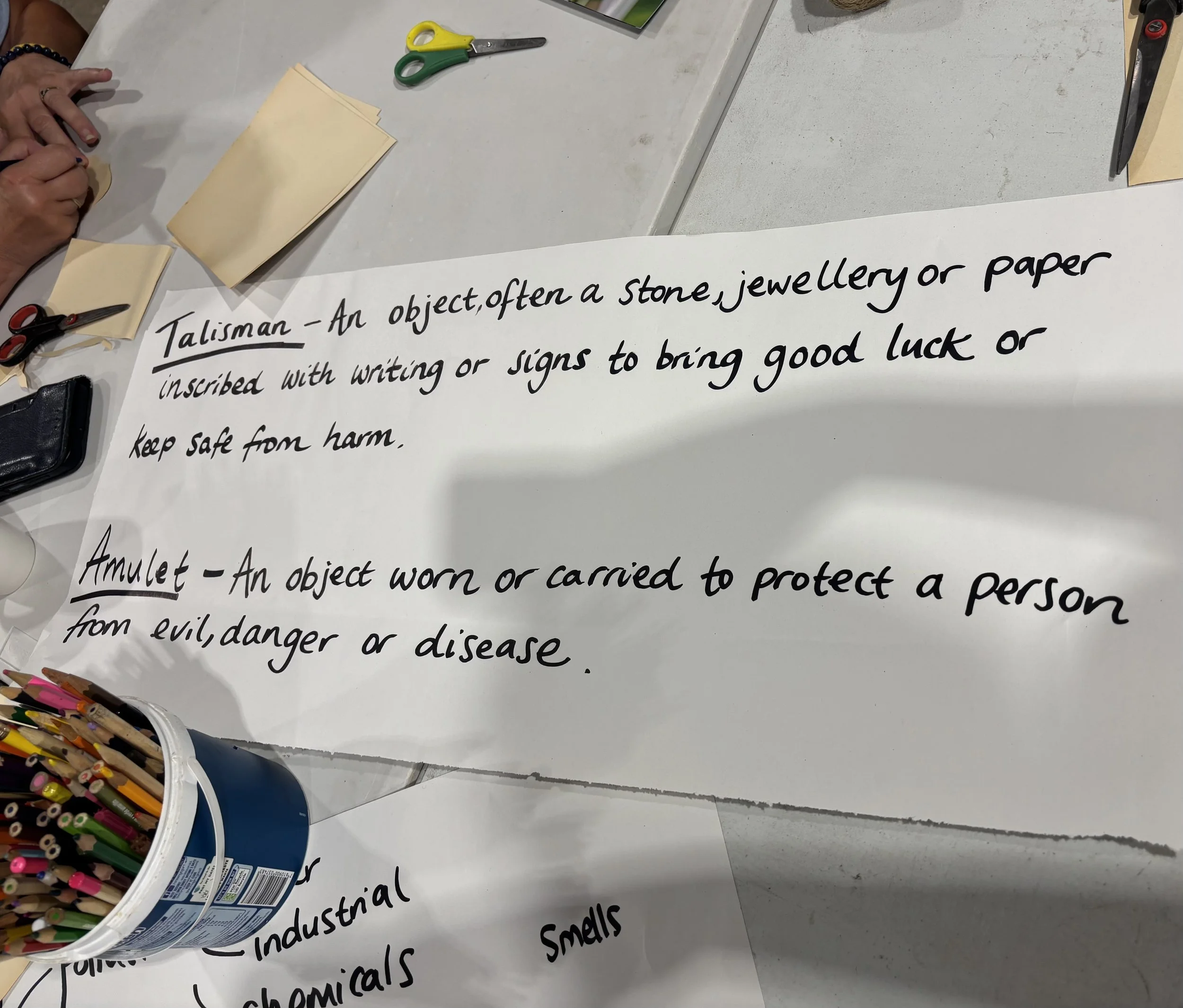
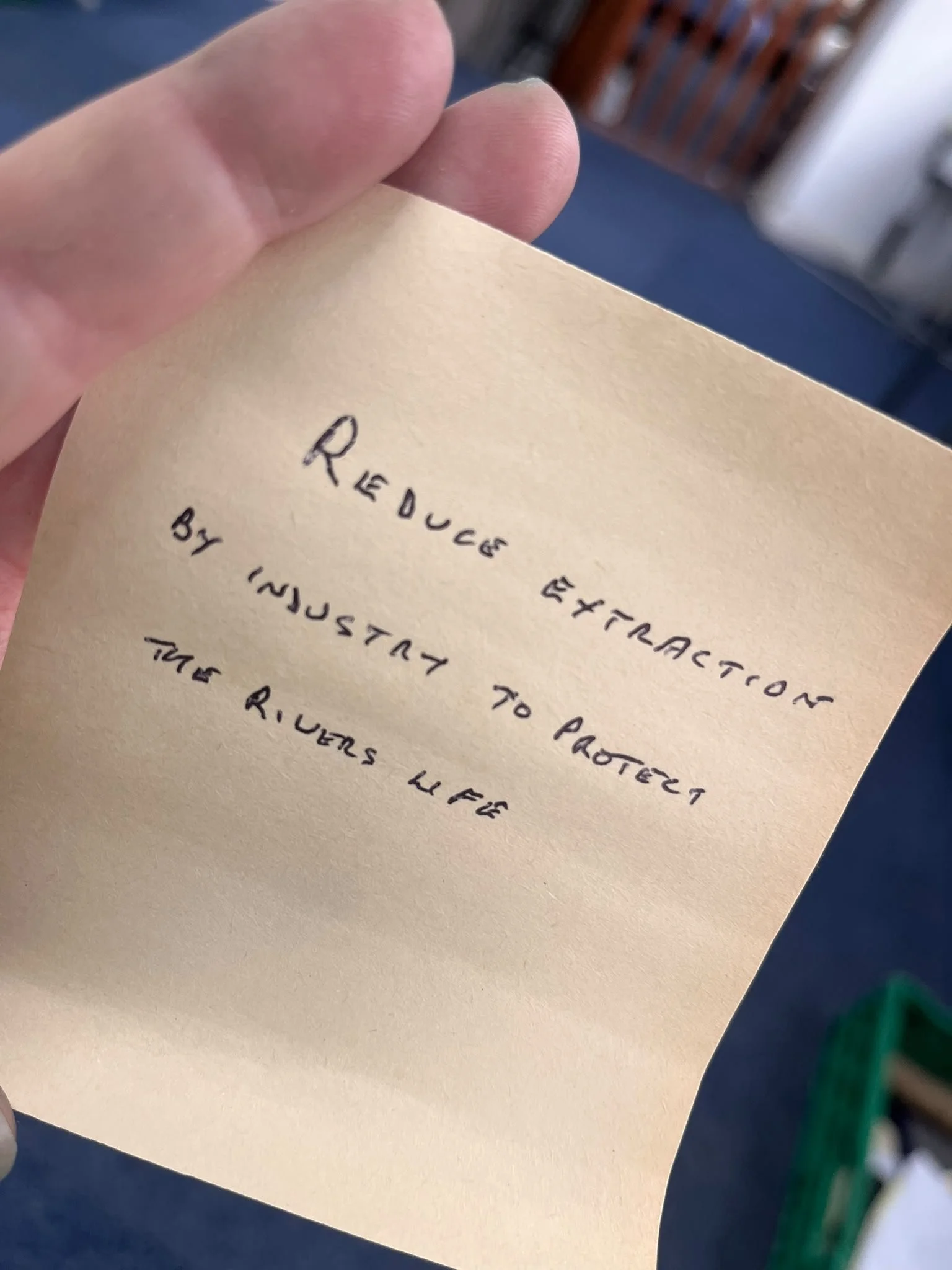
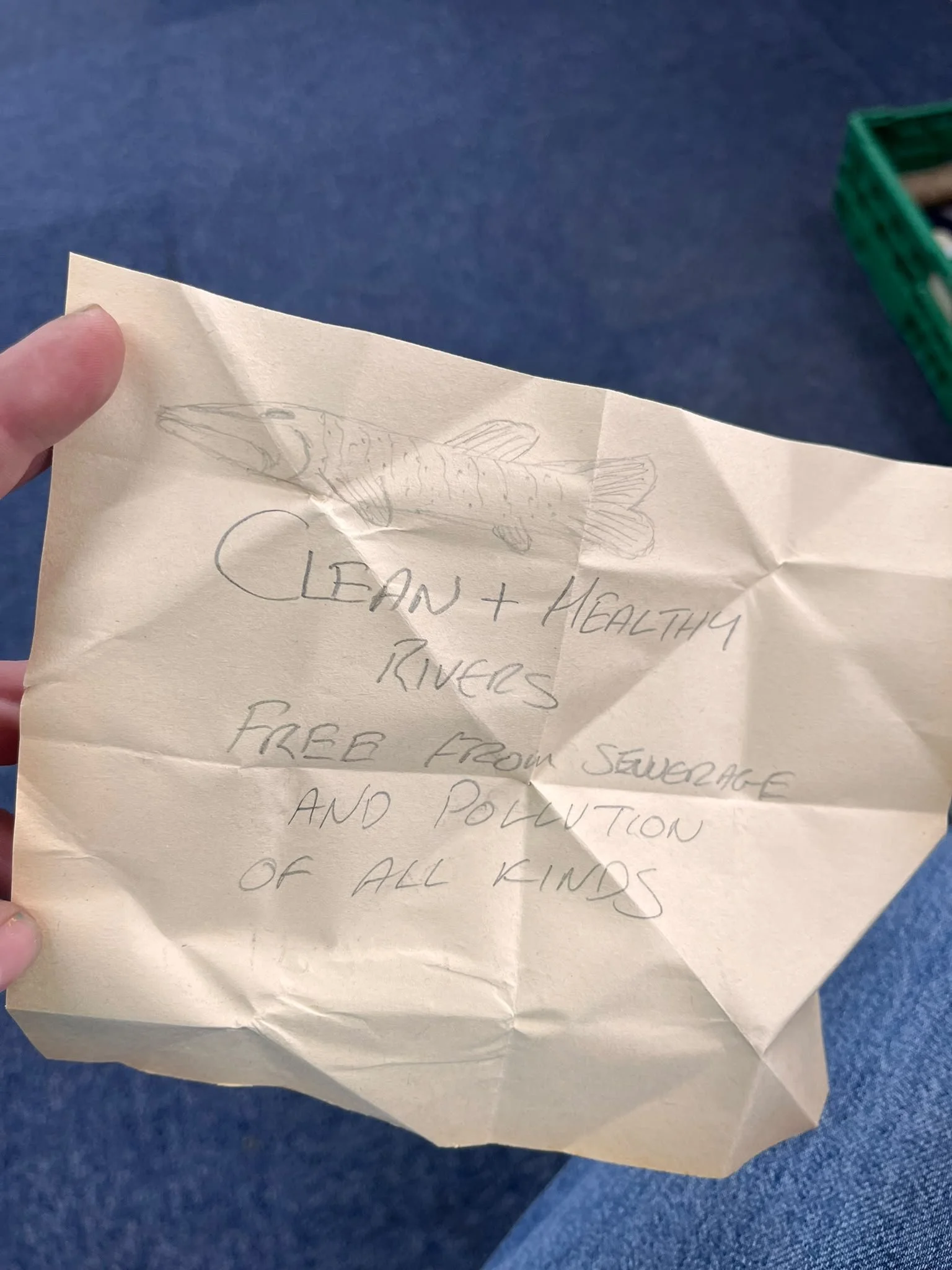
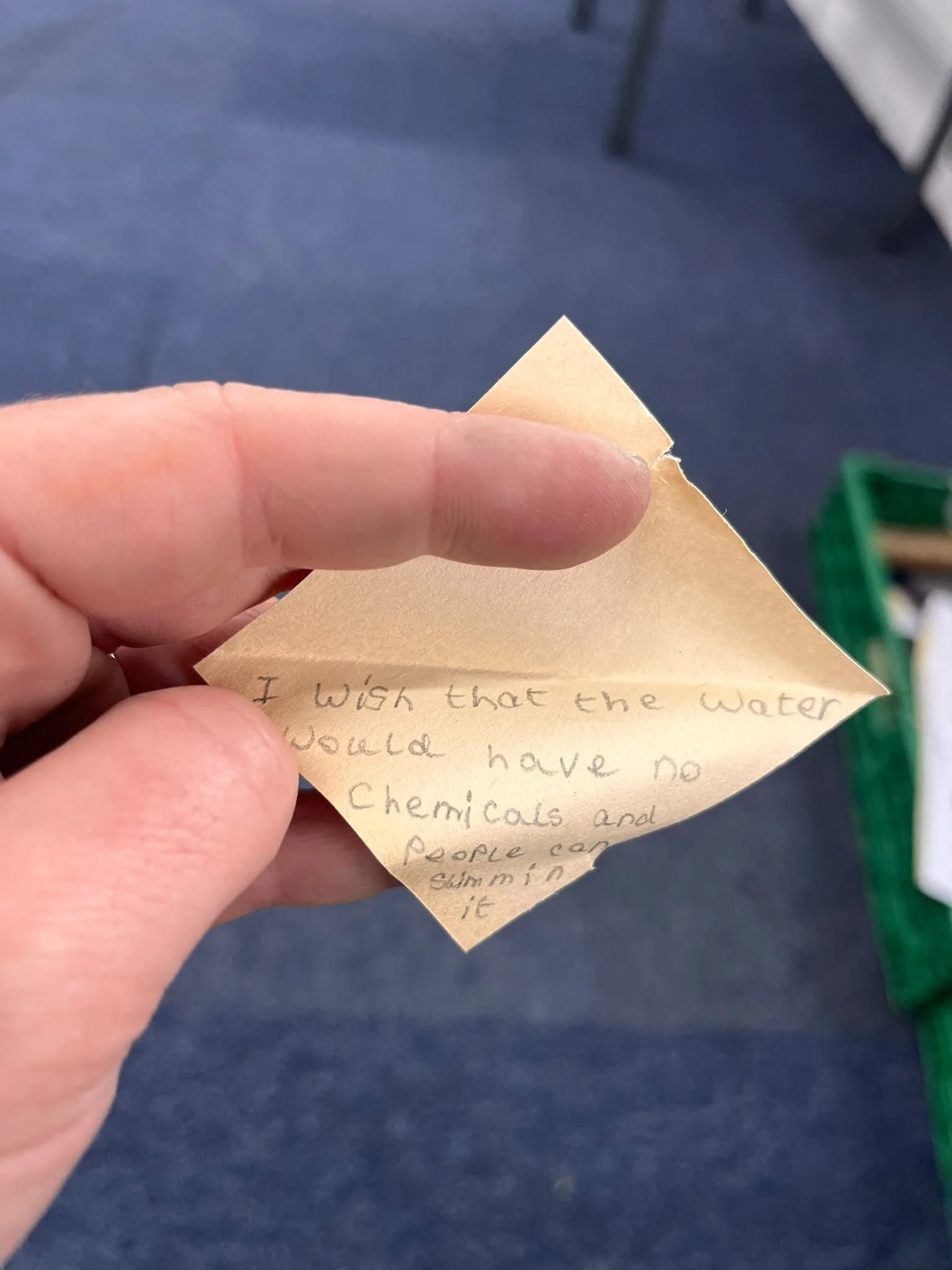
The group made paper talismans and wrote messages inside them to attract good fortune to the river. They then worked with artist Leone Davis to make ceramic amulets to protect the river from harm. You’ll find some of their messages - alongside those from other groups inside the Cabinet if you visit the exhibition.
In week 2 we started to develop more of the back story to create our river protector and were joined by costume maker Eve Travis to help us start designing the protector costume.
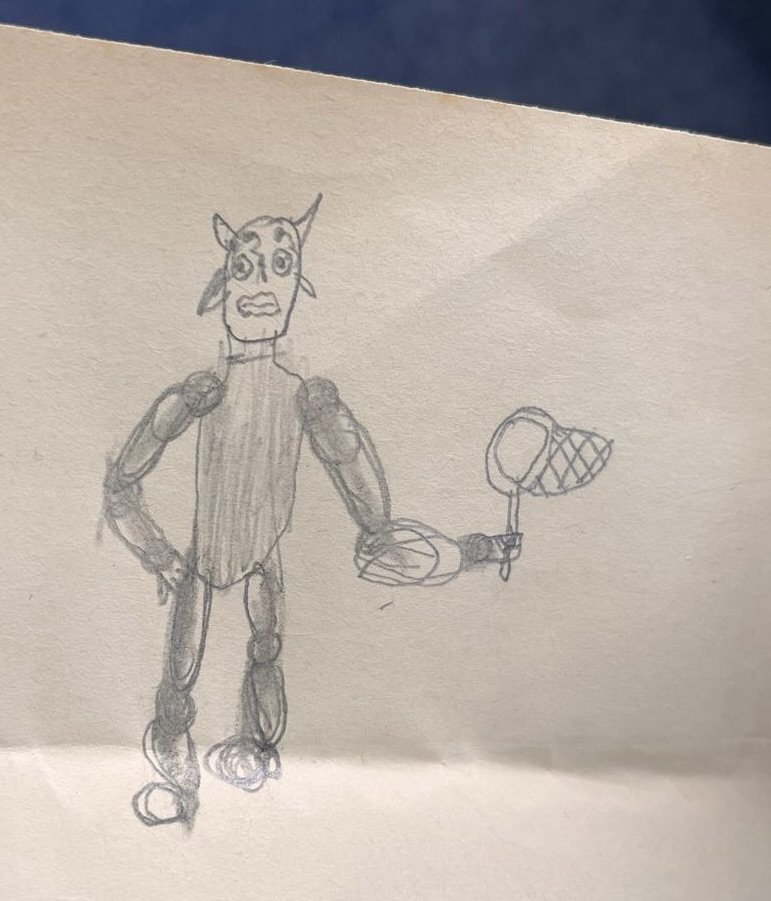
The young people had lots of ideas for what the protector may be like:
“It protects the fish” “It has a handbag - vines, overgrowth, cleaning”
“It uses breast stroke to project its way upwards” “It has an Otter as its pal” “Its nails cuts the wildlife free”
“It refreshes the river” “It doesn’t let bad things happen” “Dances to bring the plants back to life!”
“Fertilises the river bed” “Feeds the wildlife”
“Its from a long line of protectors” “The protector keeps their identity a secret or there are consequences”
“No-one really knows if the protector is human or not!”
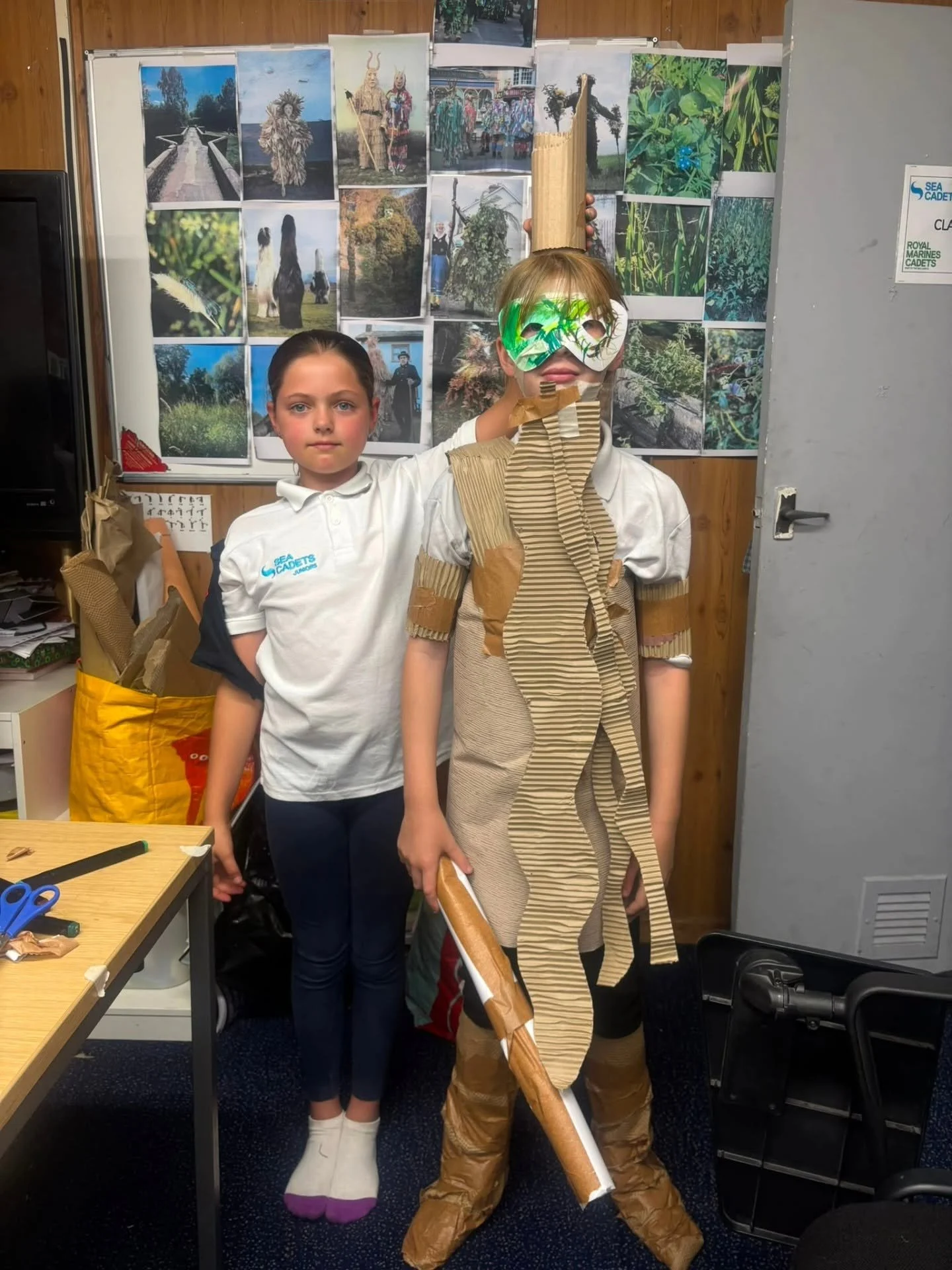
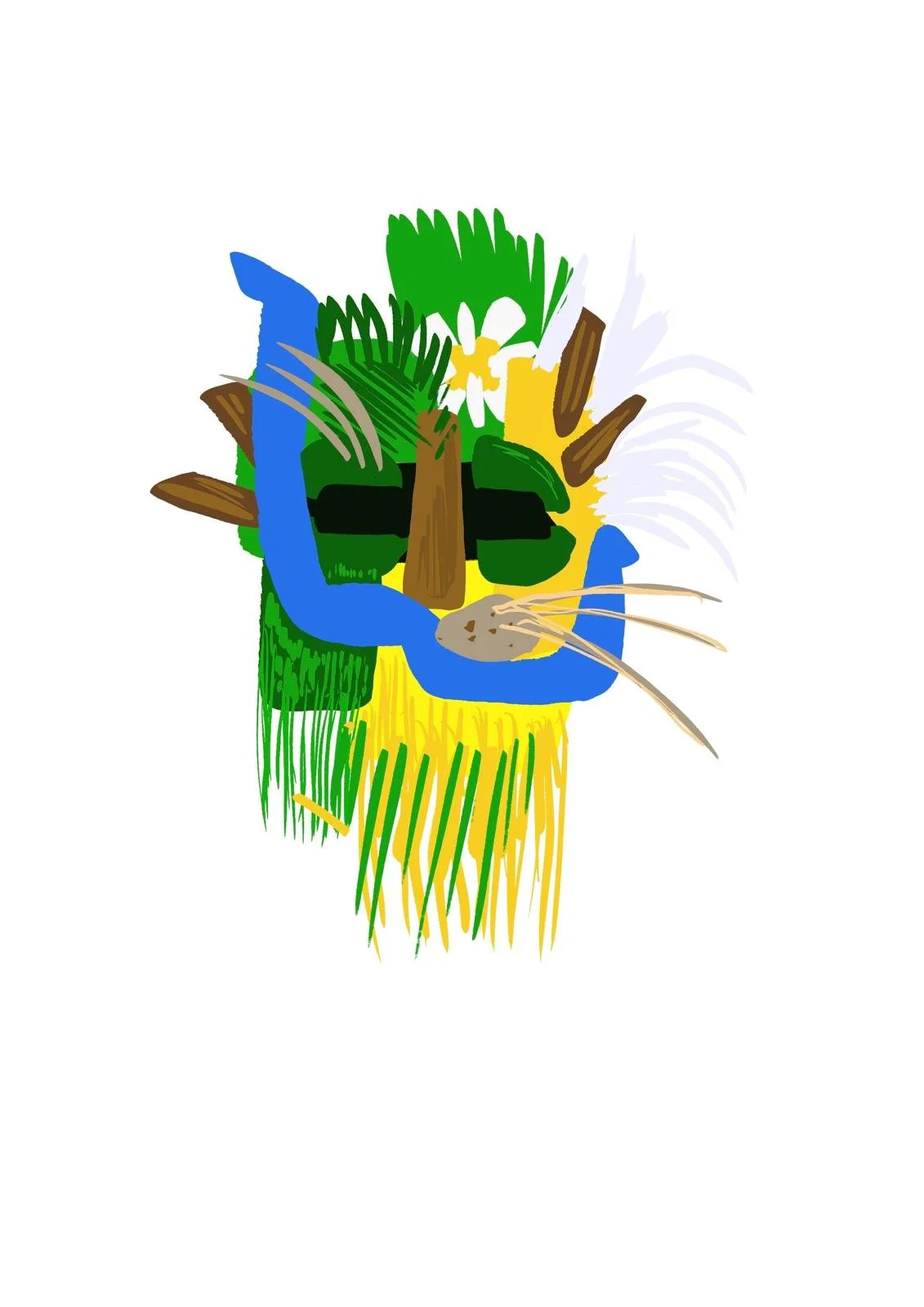
The group then made costumes from paper and created designs for what the river protector may look like, creating costume and mask designs.
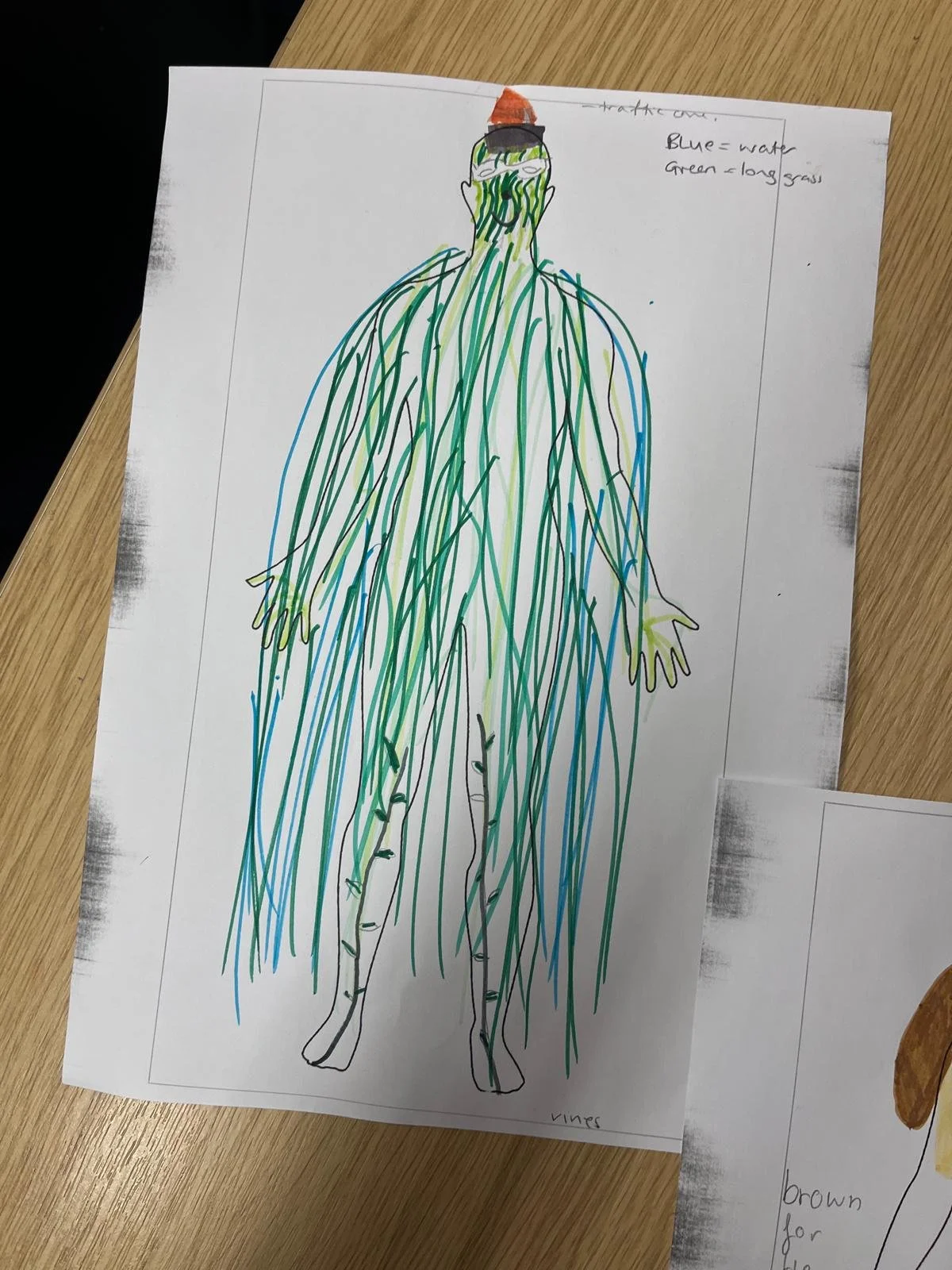
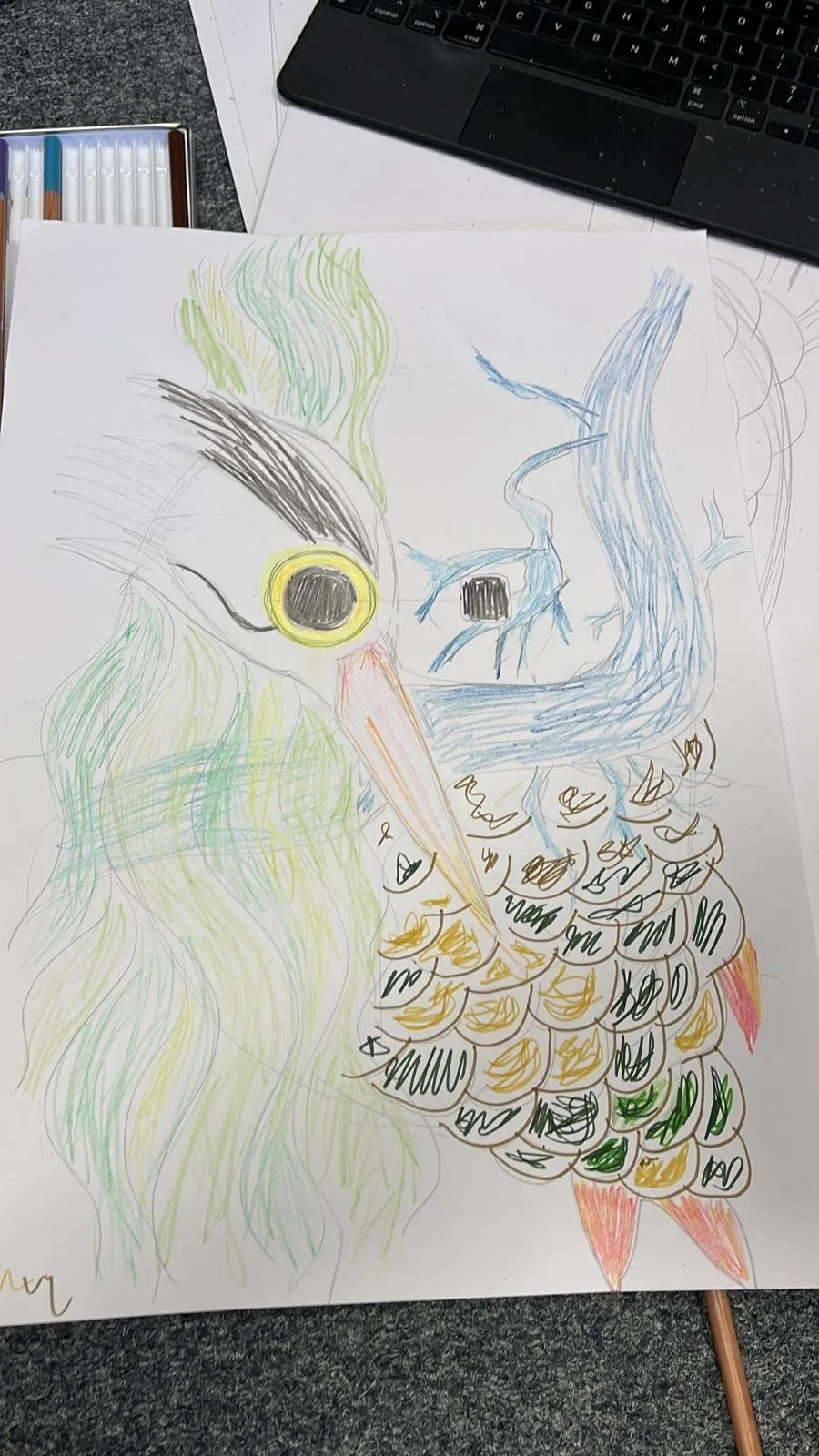
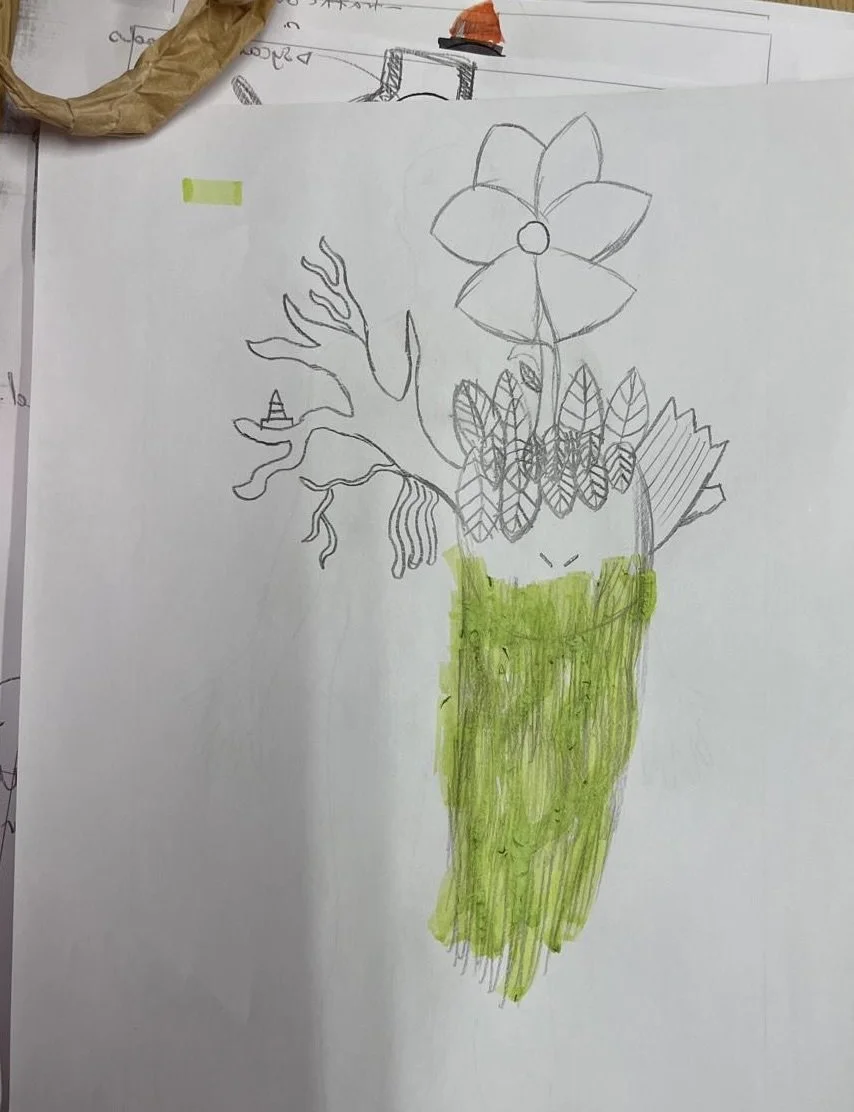
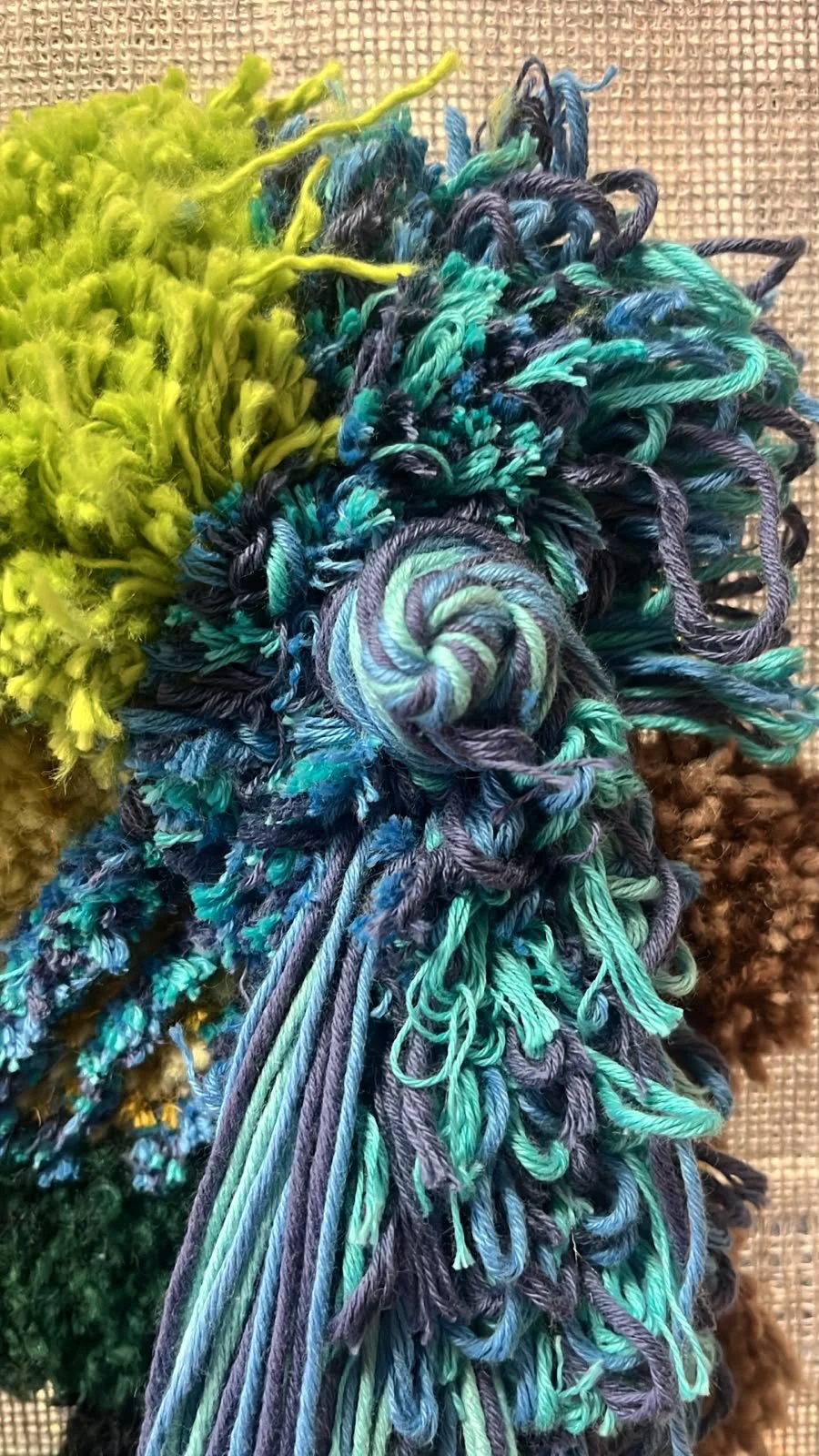
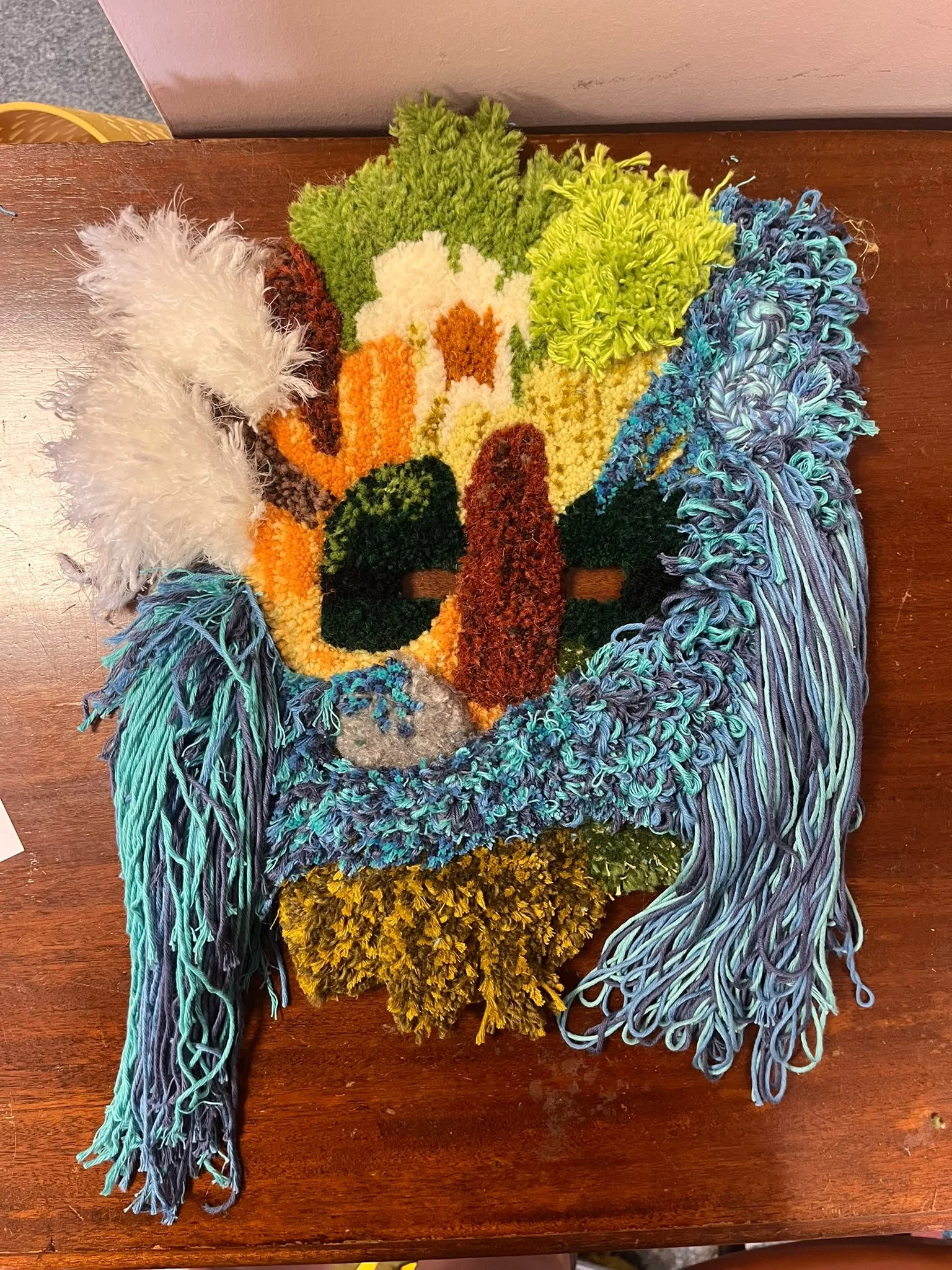
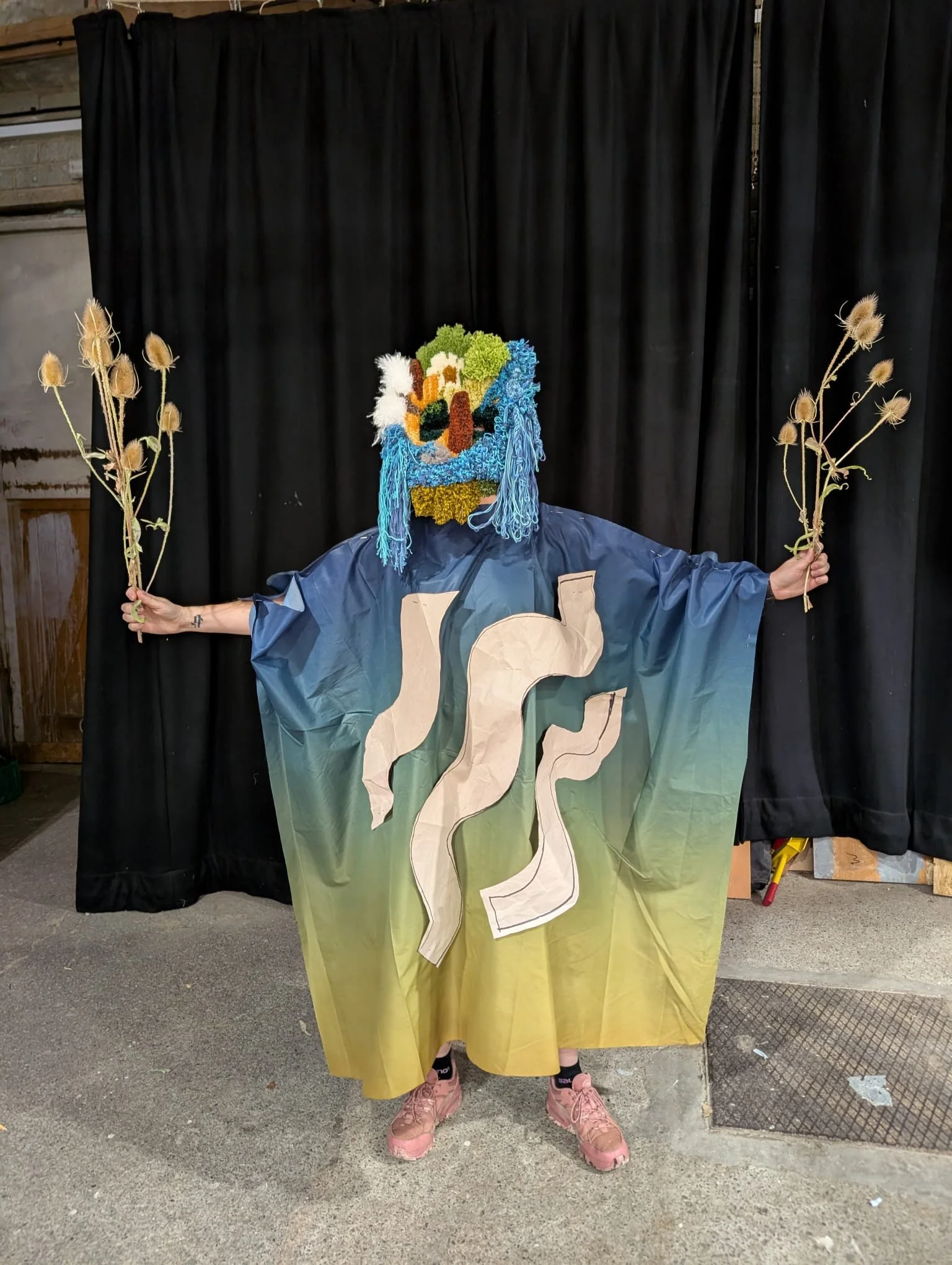
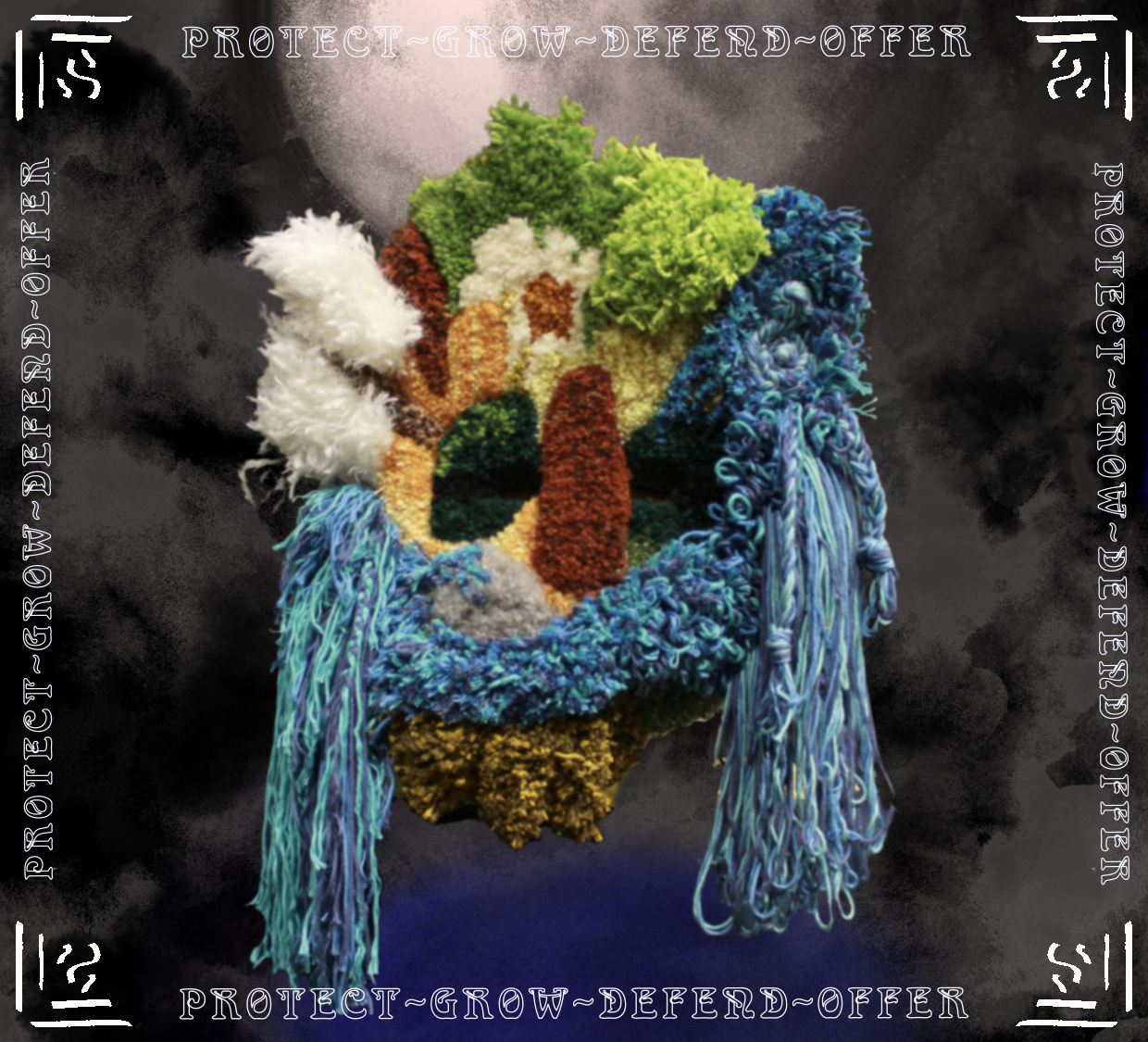
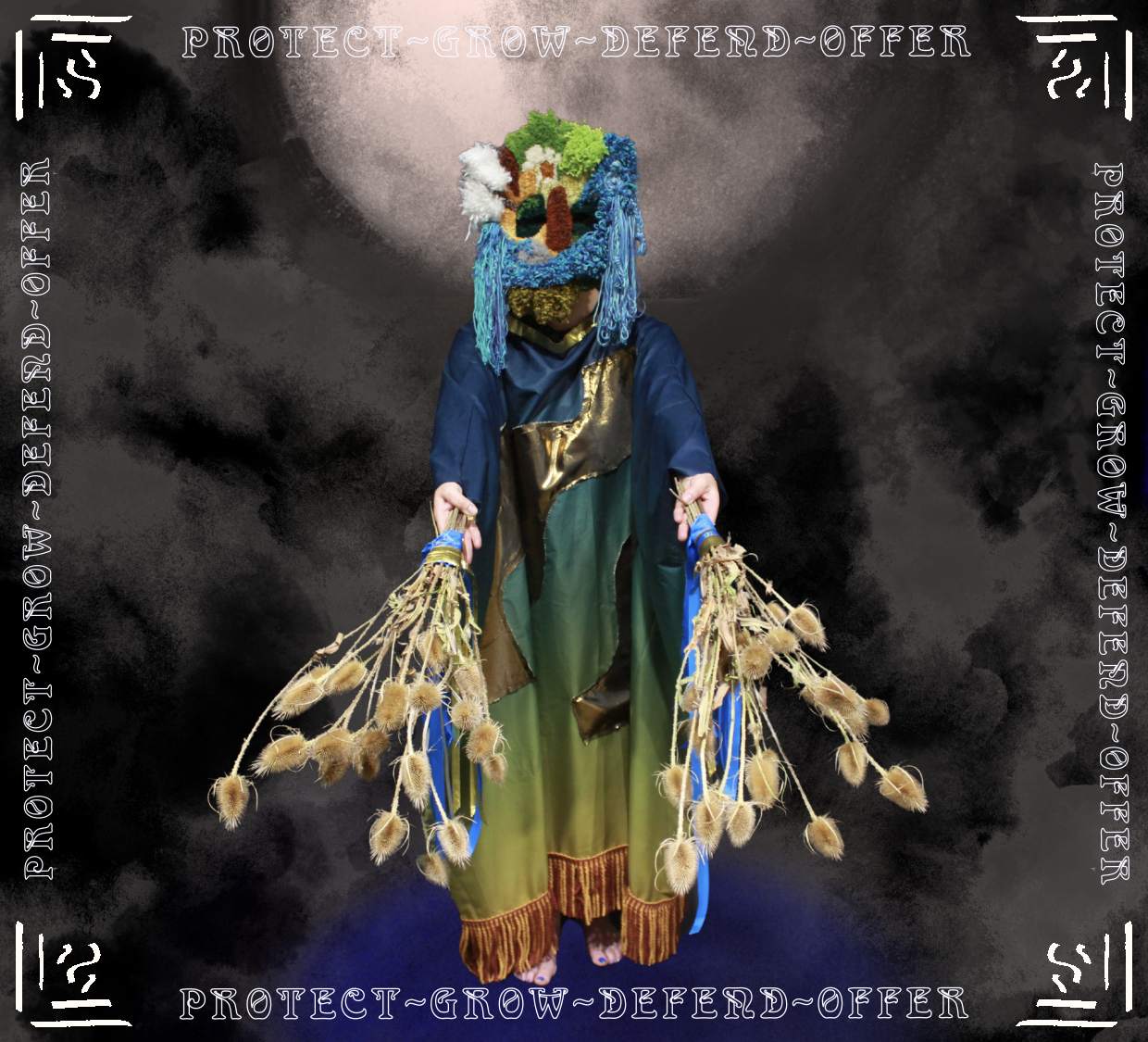
Emily used the young people’s ideas to begin to design a the mask. Emily decided to use tufting to create a really tactile mask - reflecting the colours, shapes and textures of the river highlighted by the young people.
All the material used is either natural or reclaimed - as it was important to Emily and the group that the make embodied a respectful and sustainable relationship to nature.
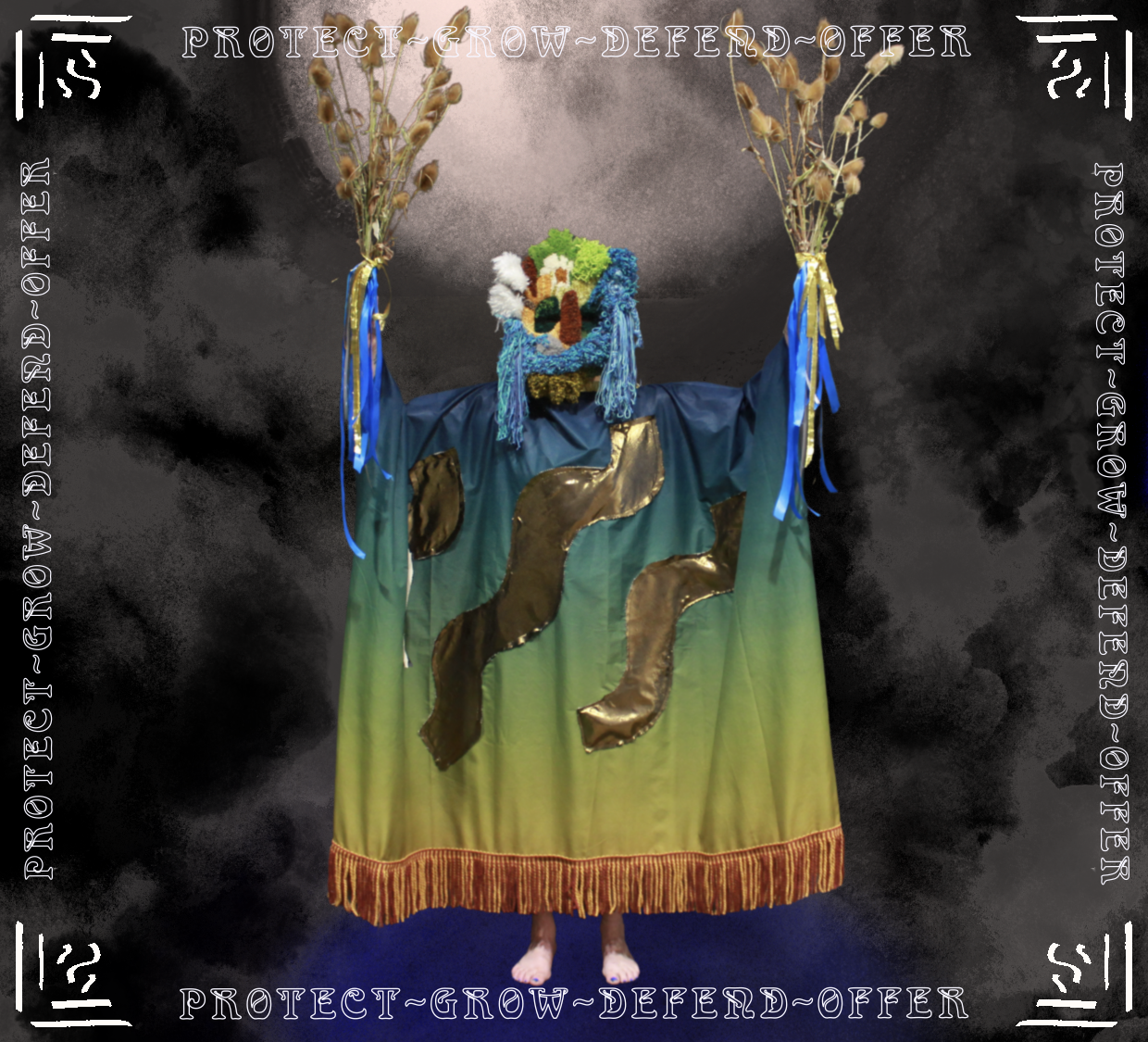
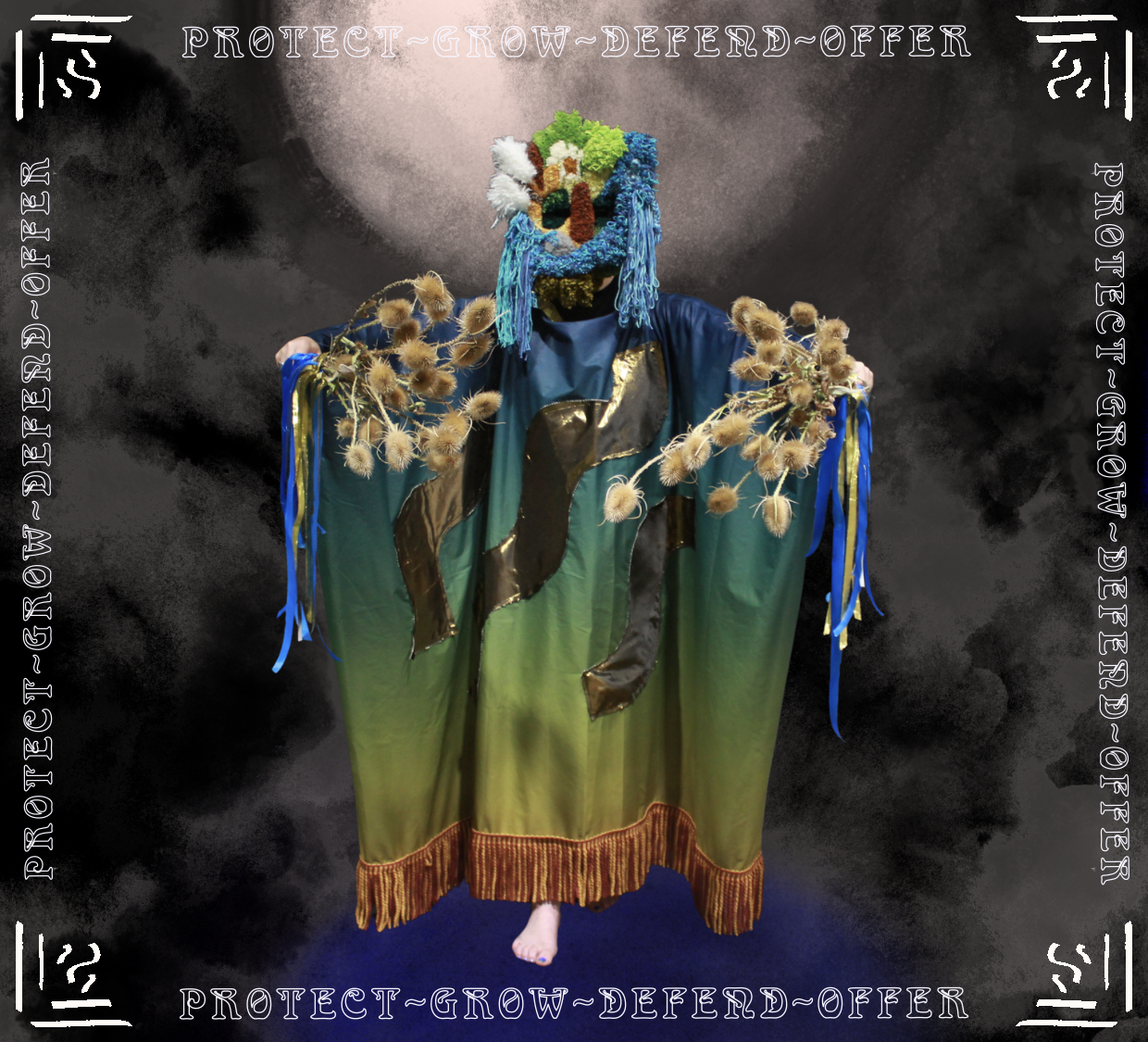
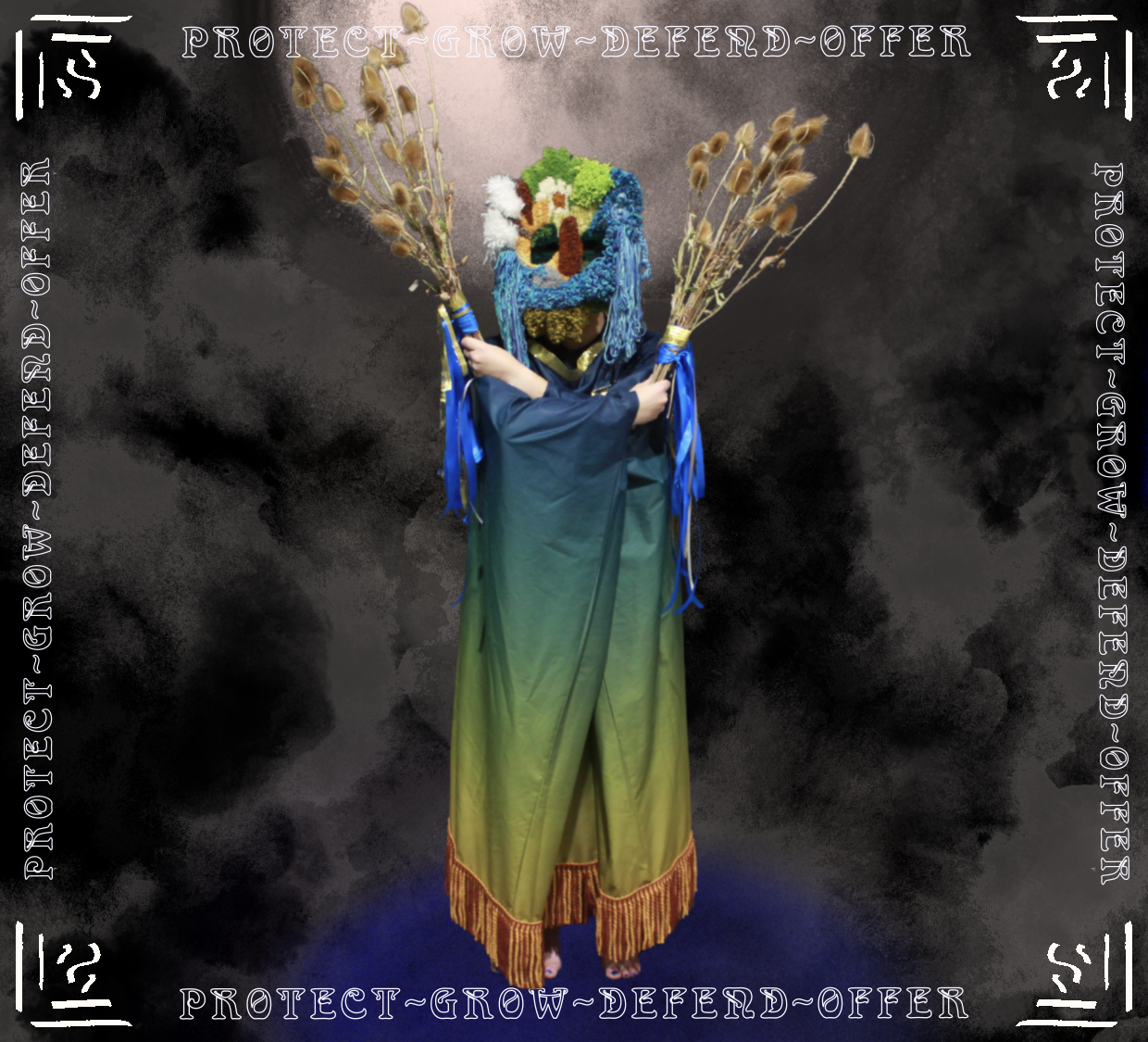
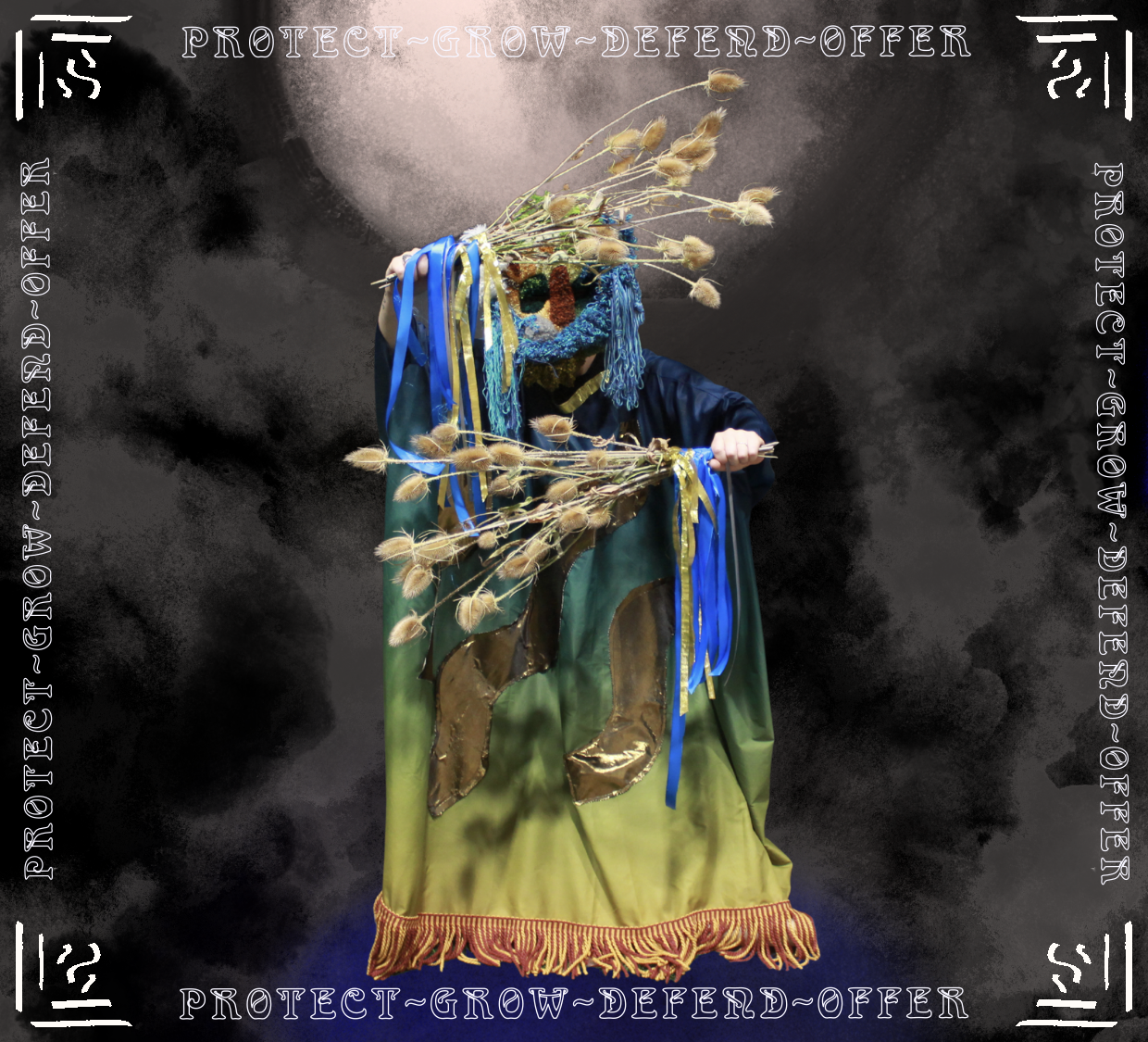
The mask features different colours and textures that represent the different physical qualities and features of the river suggested by the young people including: Nettles, Watercrowfoot, Moss, A River, Whirlpools, Waves, Feathers of the heron and egret, driftwood and tree trunks, rocks and stone.
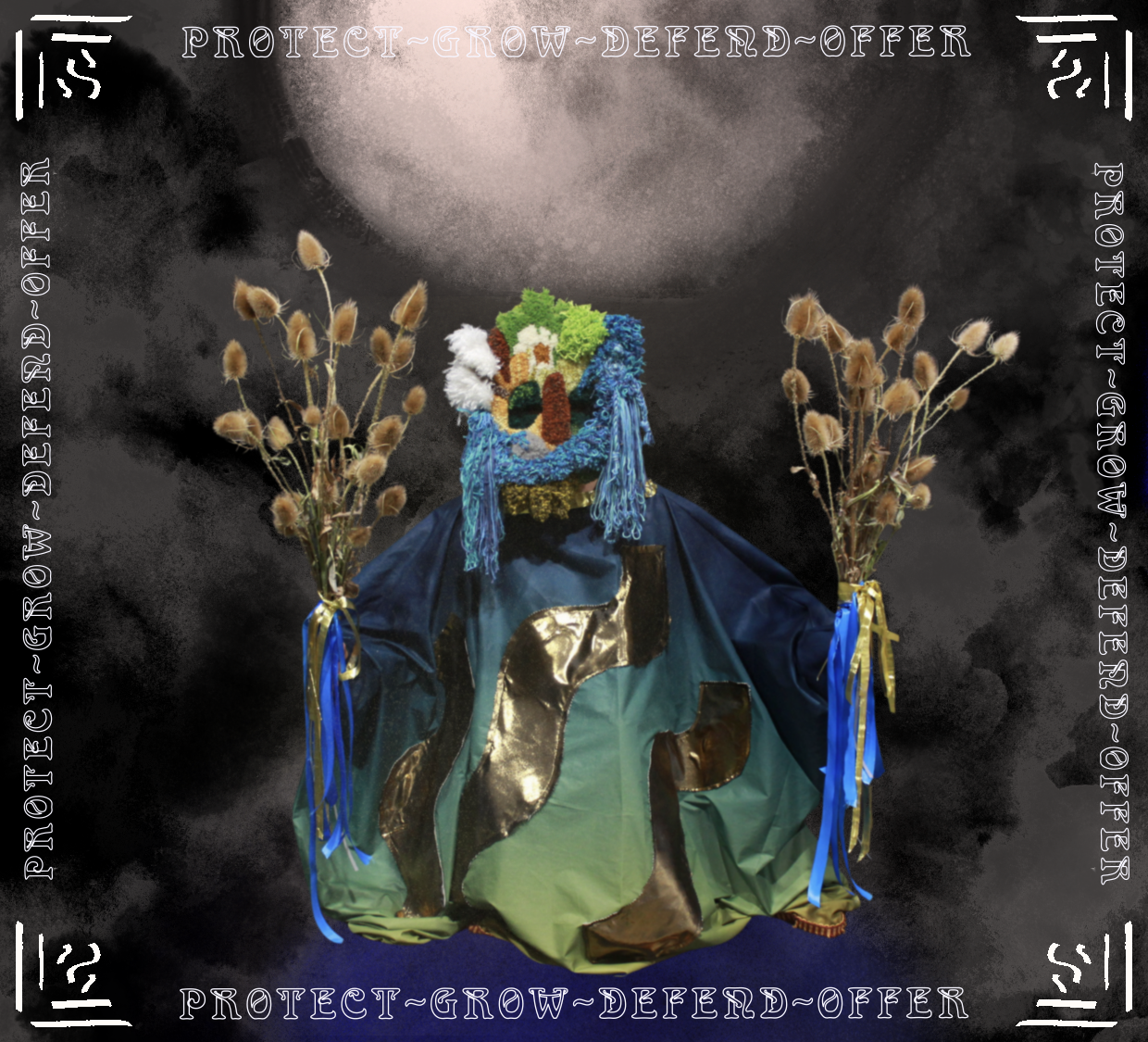
The protector is wearing a costume by Emily with recycled materials and featuring water & river symbols.
The protector is holding Teasel - a native prickly plant often representing protection and protective magic in folklore.
The sea cadets worked with Emily to devise a series of movements that symbolised the different words associated with the river protector, as a form of ritual movement. Stills of these movements were taken by Holly Johnson and edited by Emily Andrews. They were then added to a viewfinder within the mask in the cabinet for visitors to click through.
The young people devised the following river protection movements:
Grow: Crouch, arms raised
Gather : Arms curved and then crossed into body
Defend: arms in front of body
Offer: arms extended out
The song of the River Protector
The young people and Sea Cadet staff shared ideas for what could be included in a River Protector poem - reflecting on the boats on the Sow, the drought over the summer, the overgrowth and their hopes.
They came up with the name WAYARP for the river protector (standing for We Are, You Are , River Protectors)
Emily used their ideas to write a poem:
If you are one of the lucky ones
The WAYARP can be seen under the light of the moon.
Emerging from the depths or the shallow pools
Blending into the surroundings.
Swimming through the river as an otter or fish.
Digging, clearing, refreshing.
The Wayarp arrived when the river first formed, rising from the lush Welsh mountains, diverting north from the stagnant glacial ice.
Changing with the seasons and the tide.
Resting its head when quiet
Protecting its waters when they call.
Inspired as it watched humans use fire to transform water's earth into bricks to build themselves a home.
They offered bronze, tin and ceramic
And in return they take fish from its waters to feed their bodies and souls.
It’s seen the bar burning and witnessed its waters turn foul.
It stayed close, watching over as the boats came and went.
It held the river in its arms and at arms length.
Overgrowth, drought, poison, disease.
It watches life come and go.
Nurturing, clearing, cleaning, breathing new life, protecting.
Look closely
You will see it under moonlight
It calls us to help.
We are river protectors.
Amulets, Talismans and Embossing Experiments
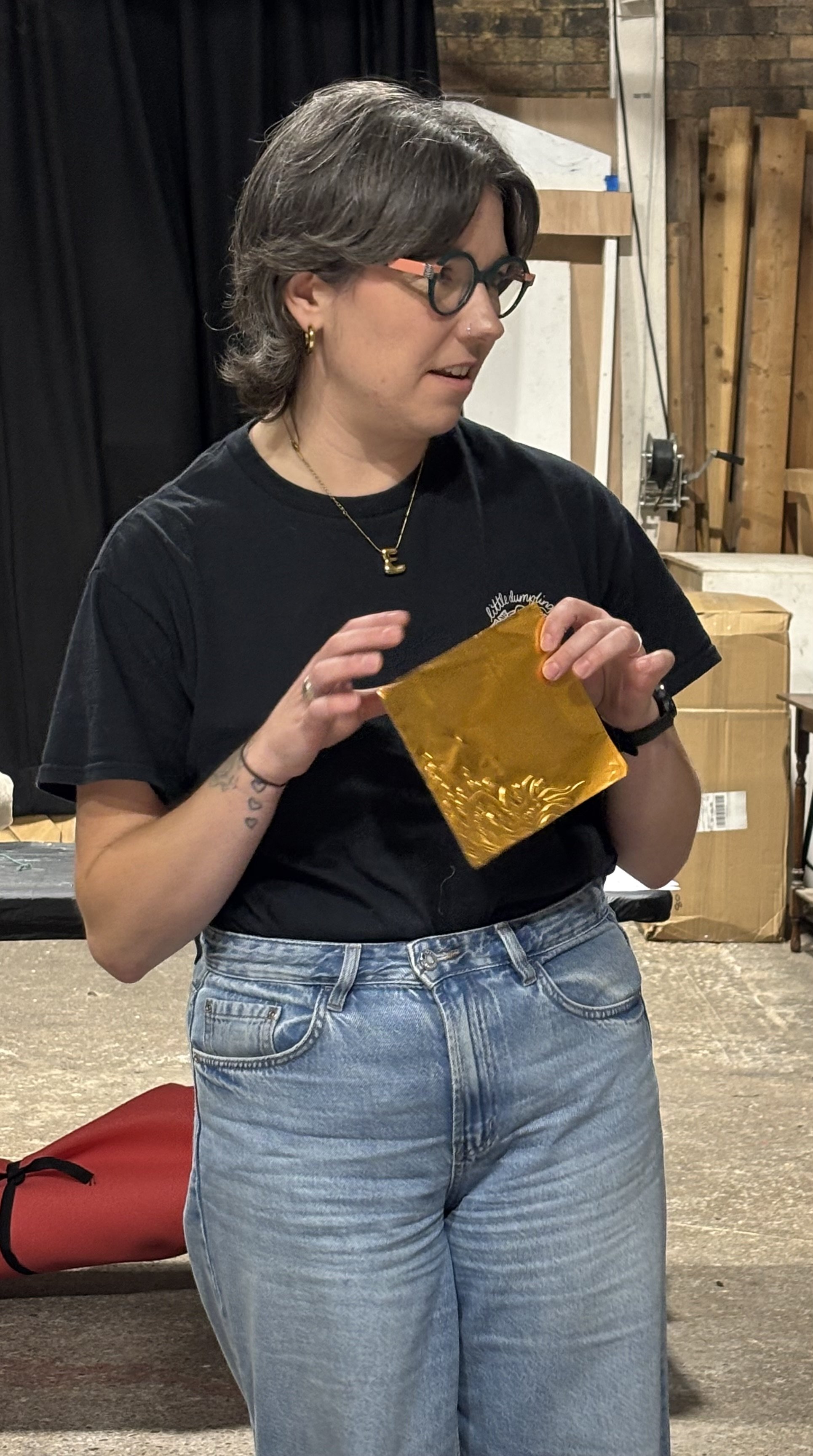
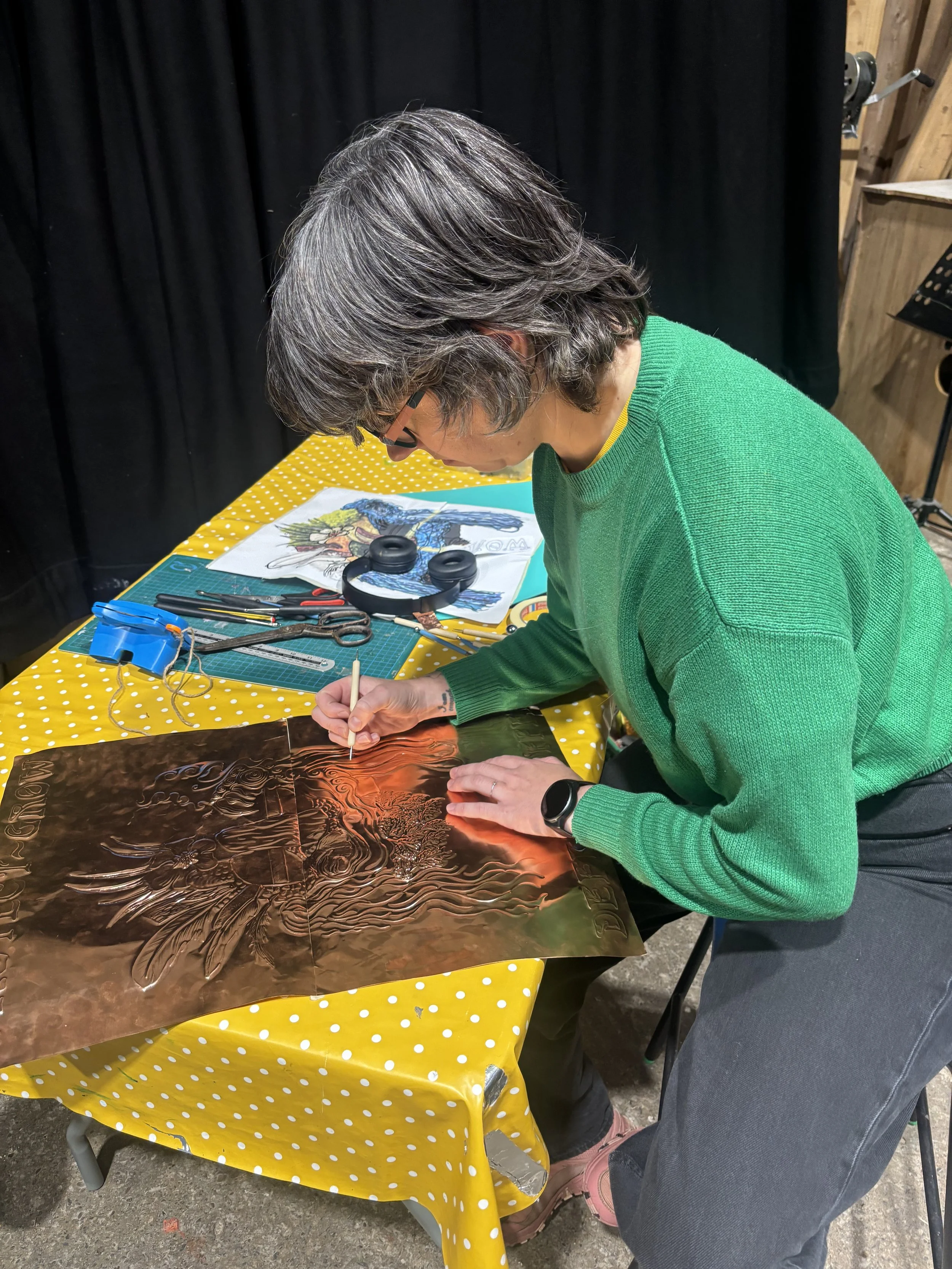
To continue to explore the thinking about protecting the river Emily ran a public family workshop at B. ARTS - inviting people to design amulets and talisman for the Trent, using copper foil.
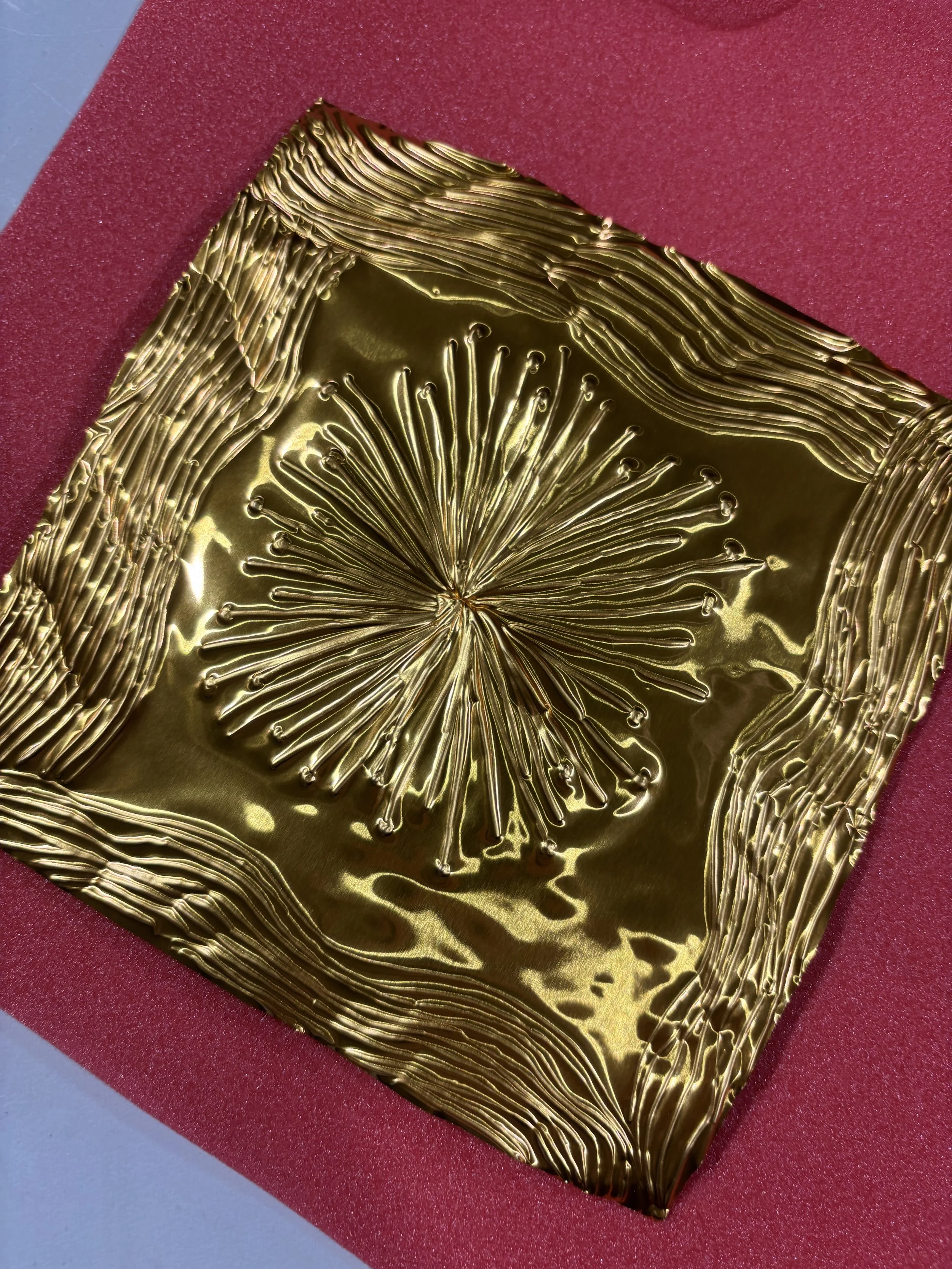
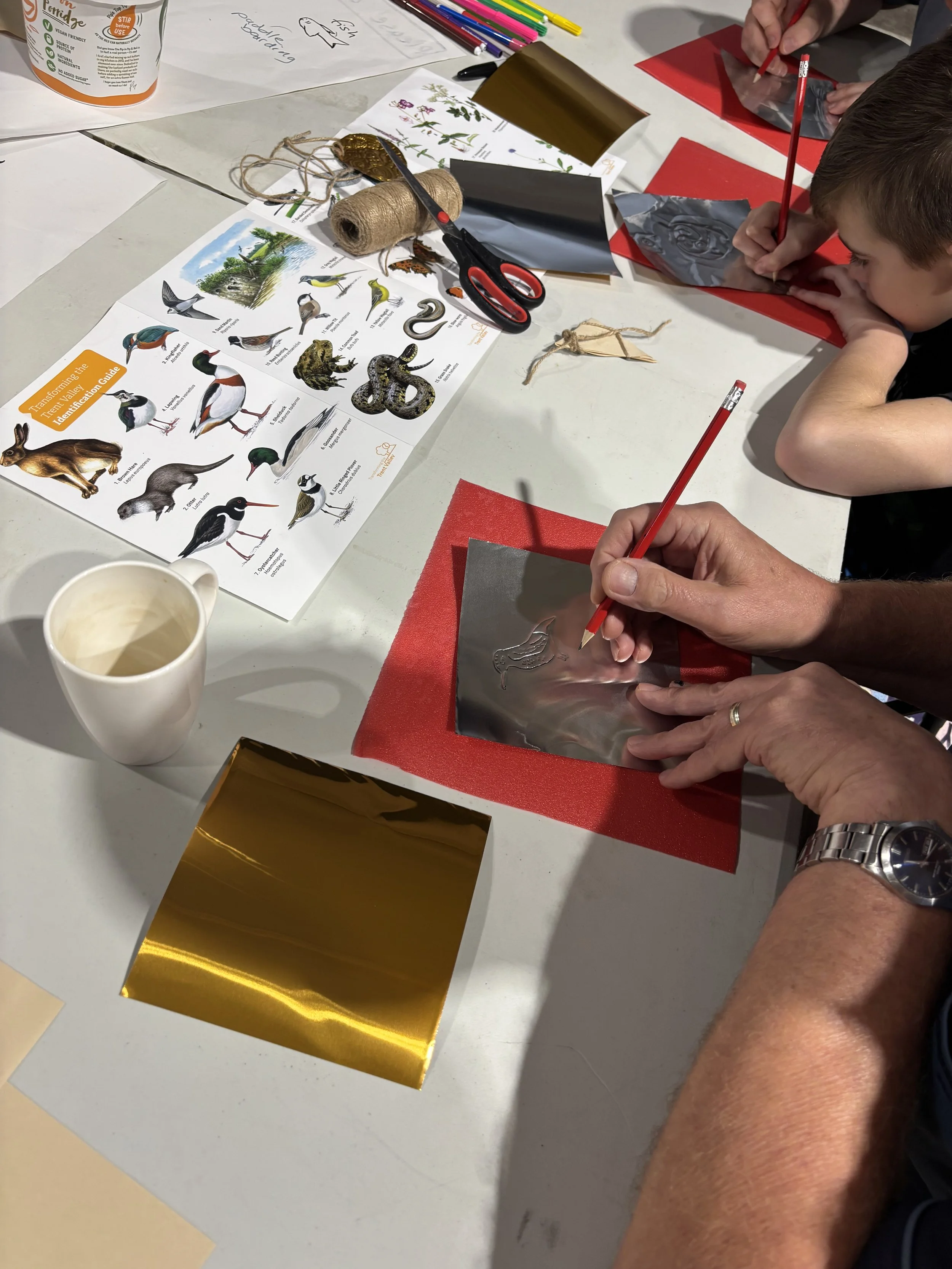
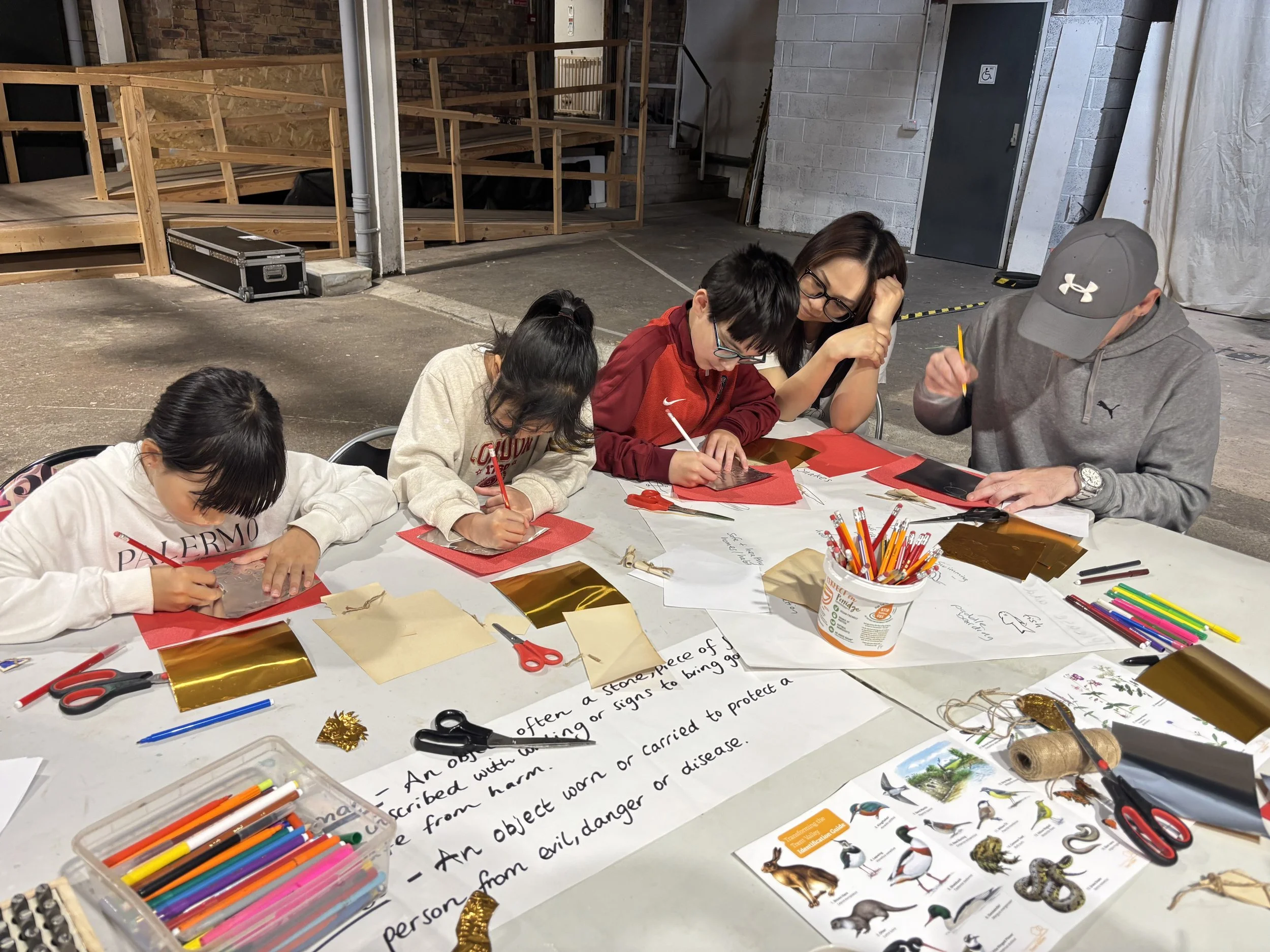
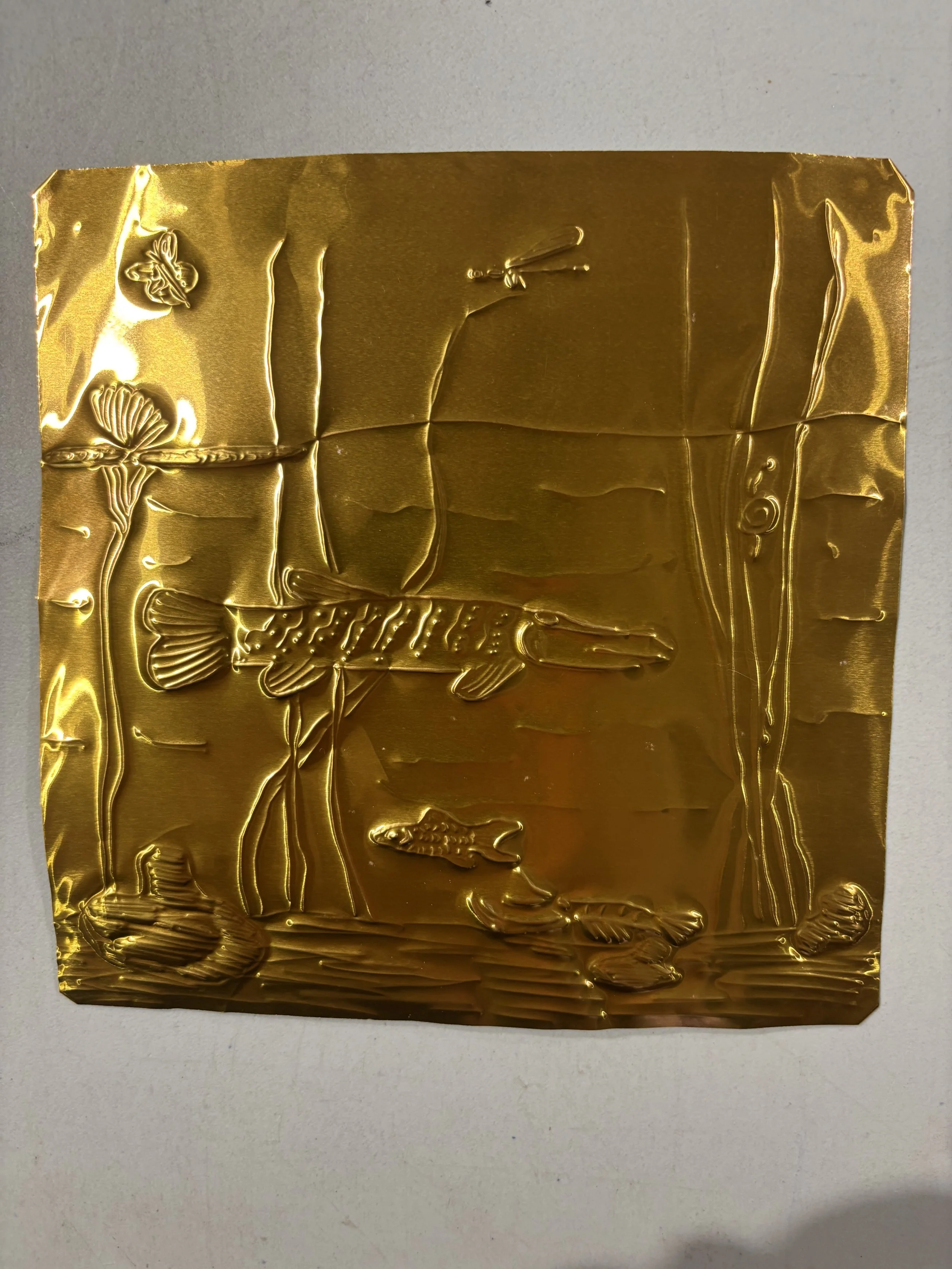
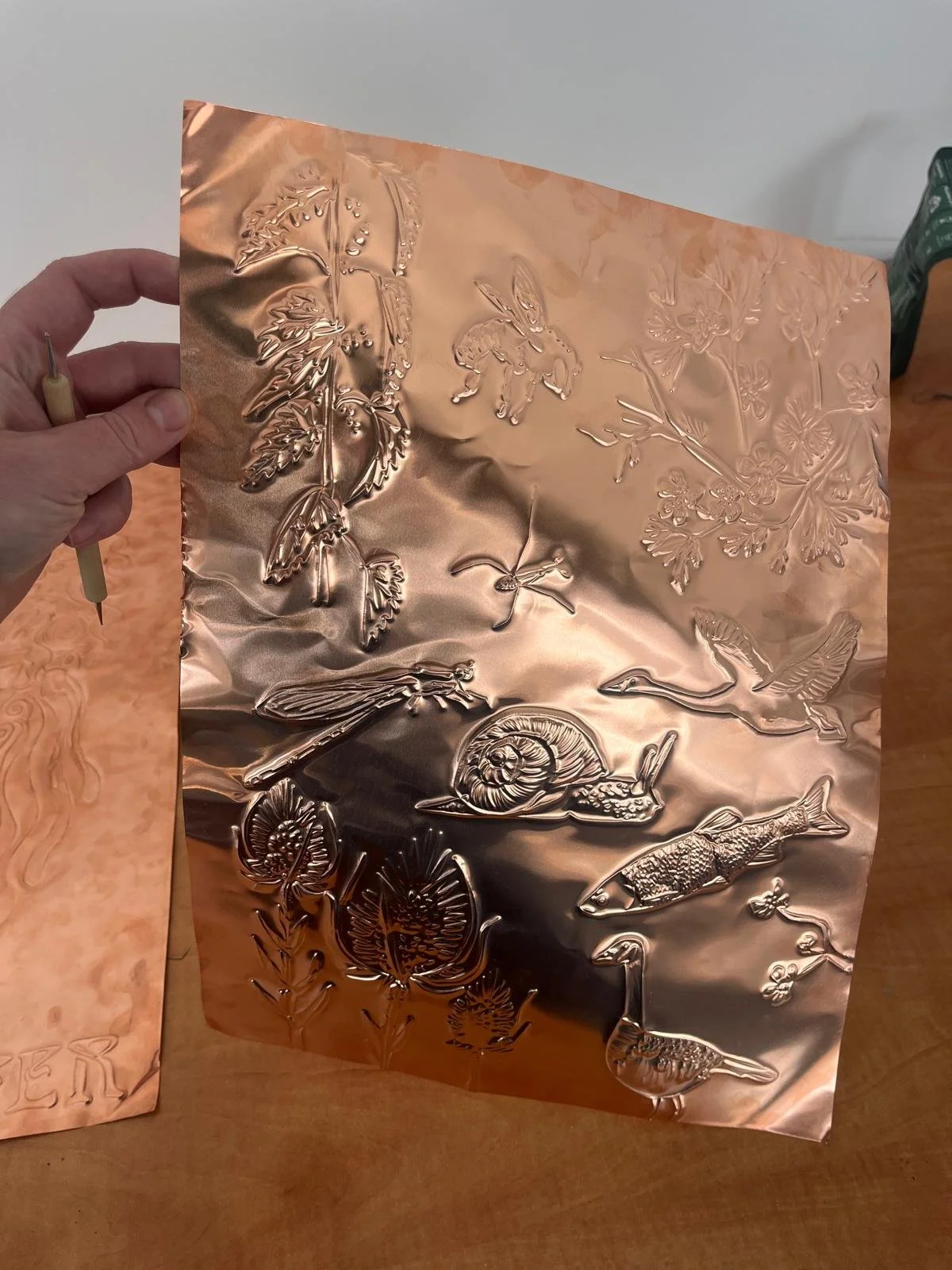
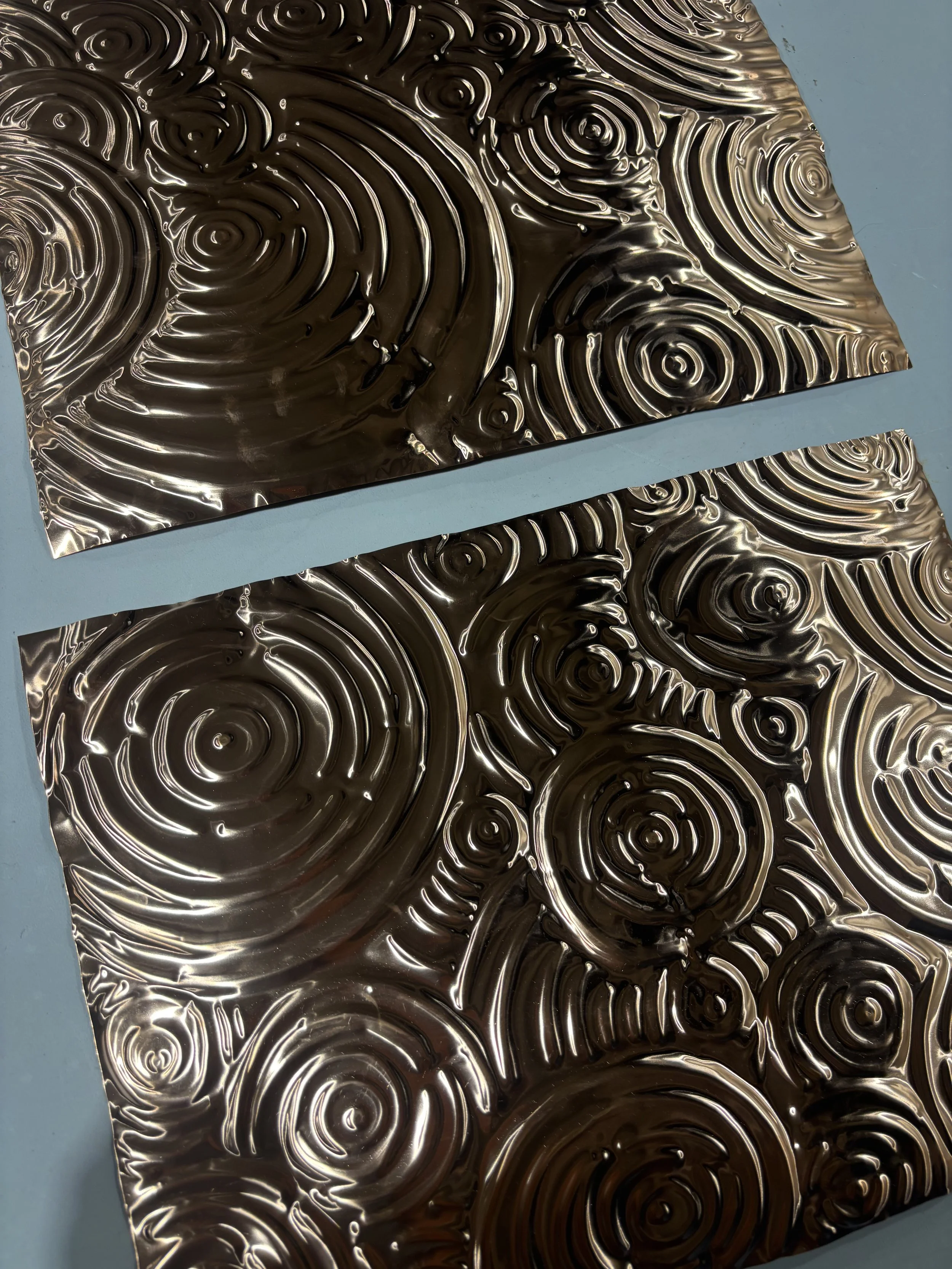
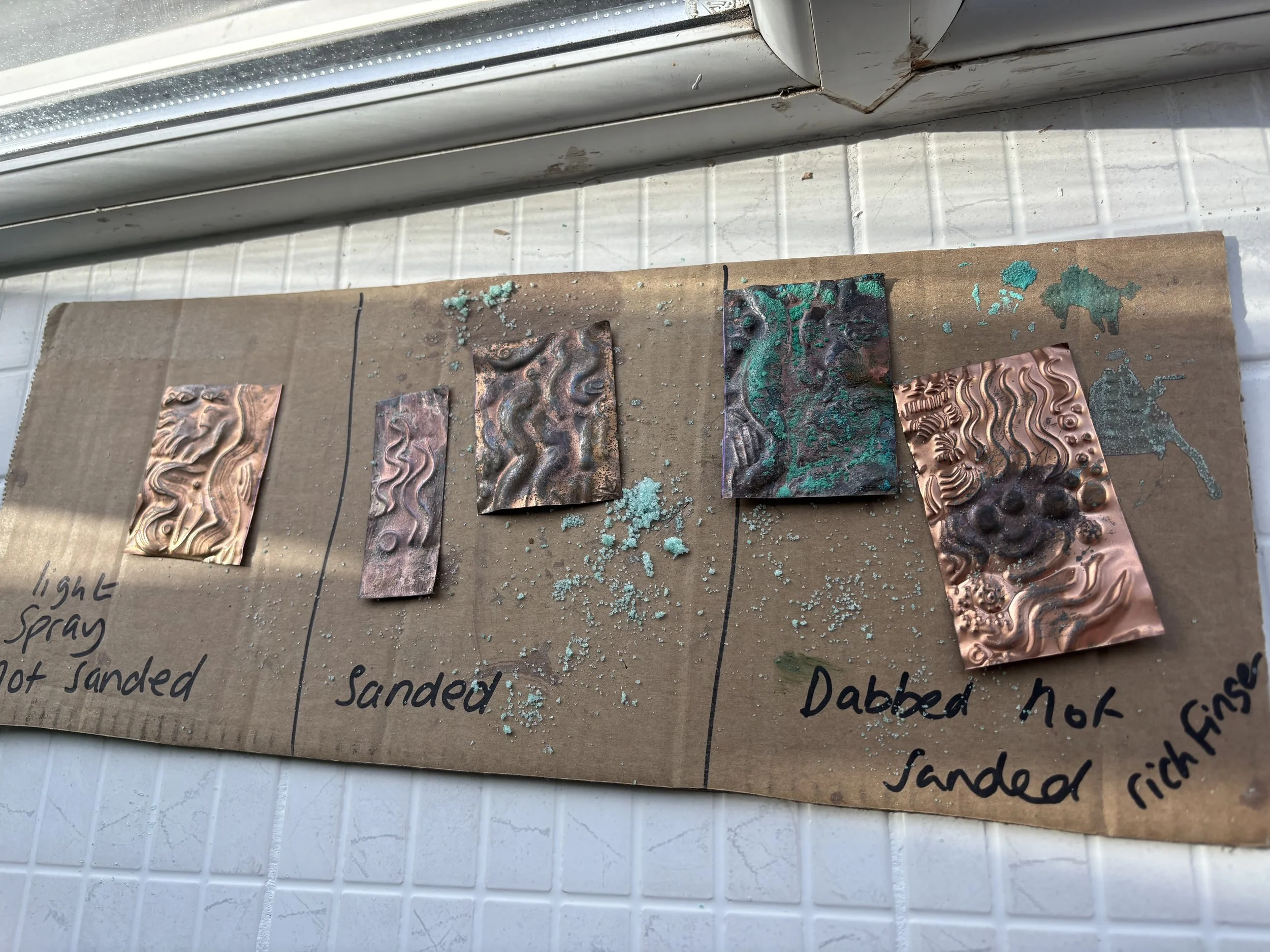
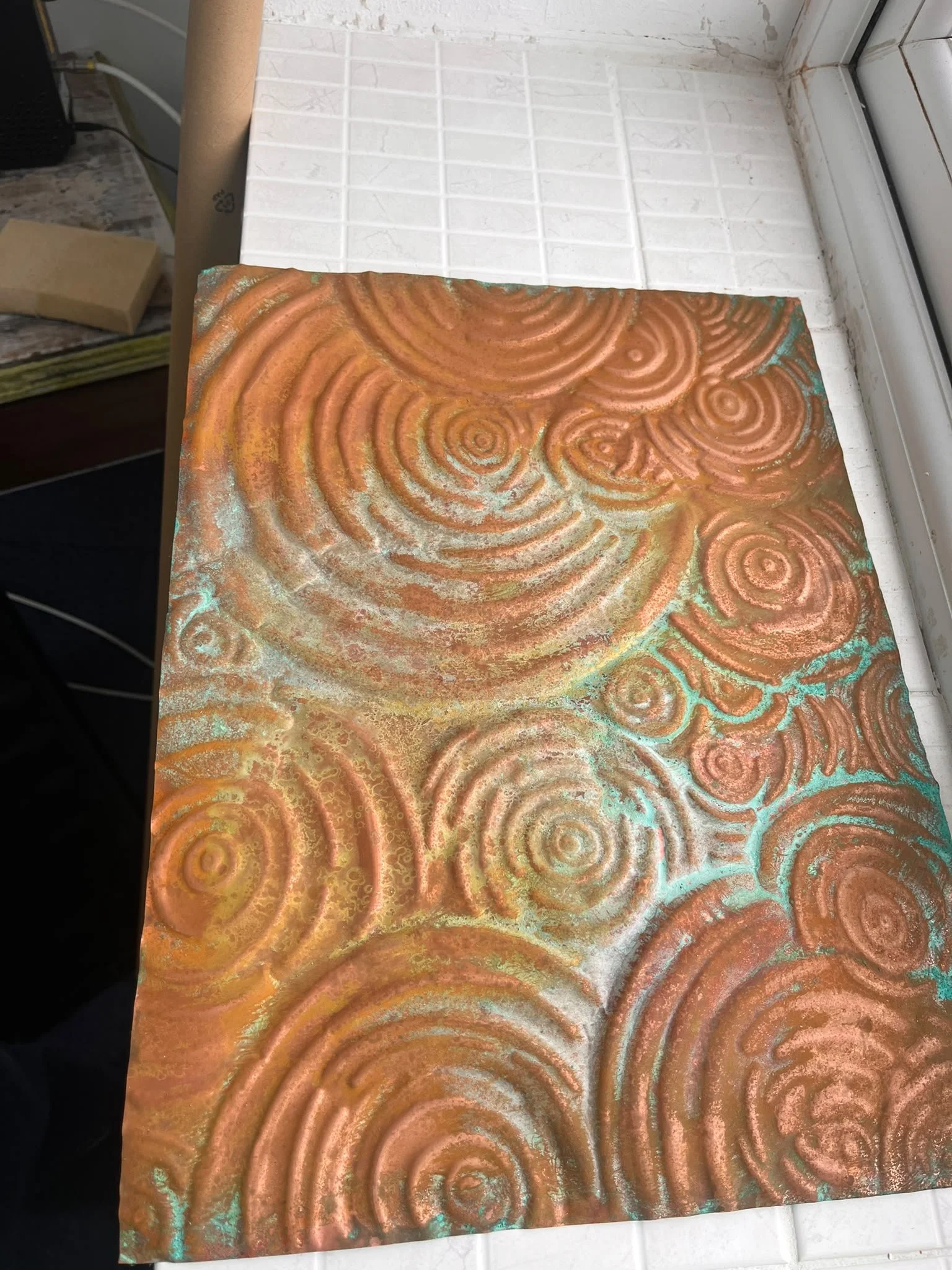
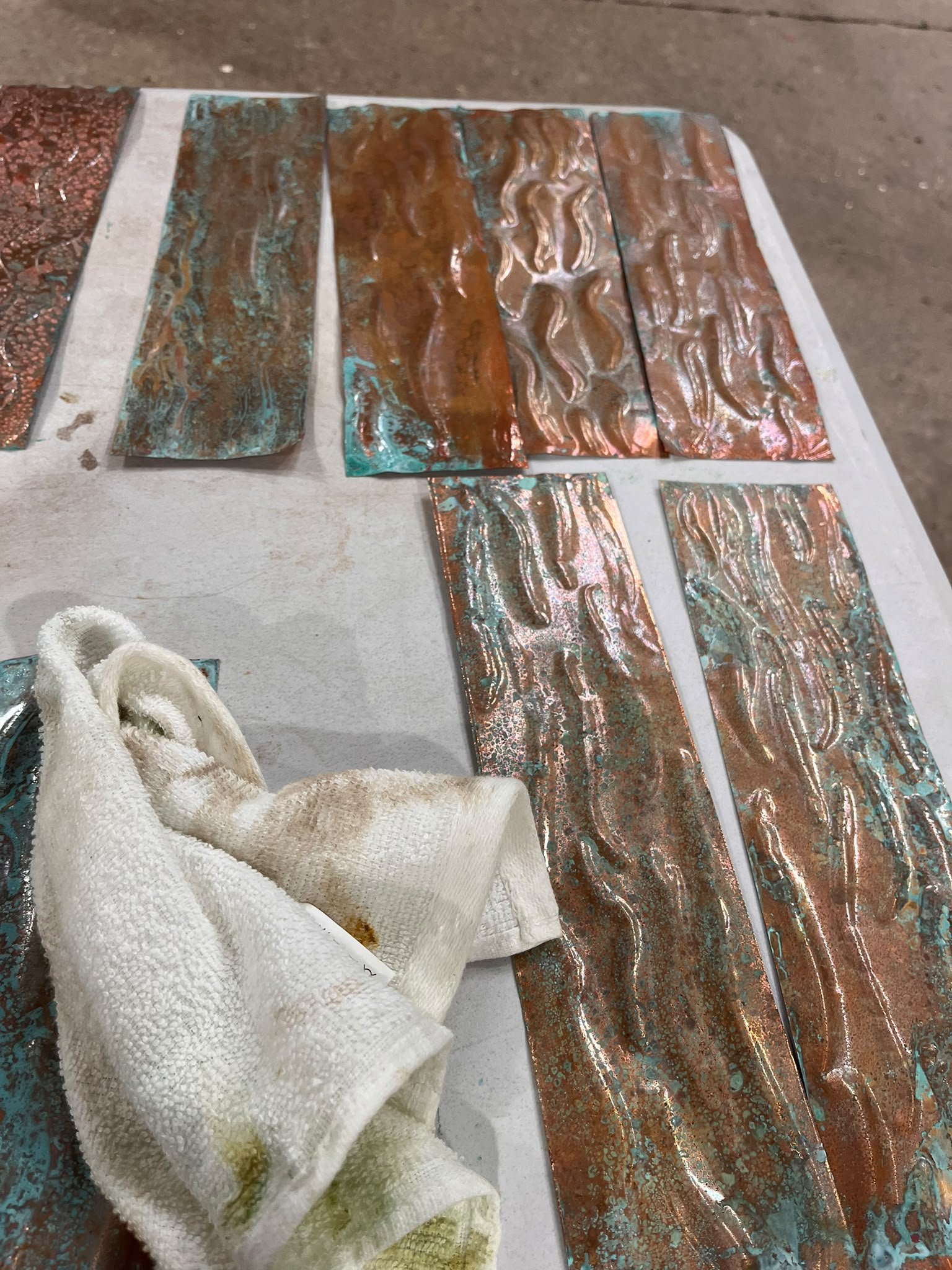
Emily then incorporated these ideas into the design and creation of embossed panels to line the walls of the section of the cabinet that the River Protector Mask is in. Emily wanted the panels to look weathered - so she experimented with different techniques to tarnish the metal.
Paper Talisman Messages
All of the different workshop participants made paper talismans with messages of hope/good fortune and good luck for the river. These were made into scrolls tied with nettle cordage and added to the River Protector section of the Cabinet - with visitors invited to add their own
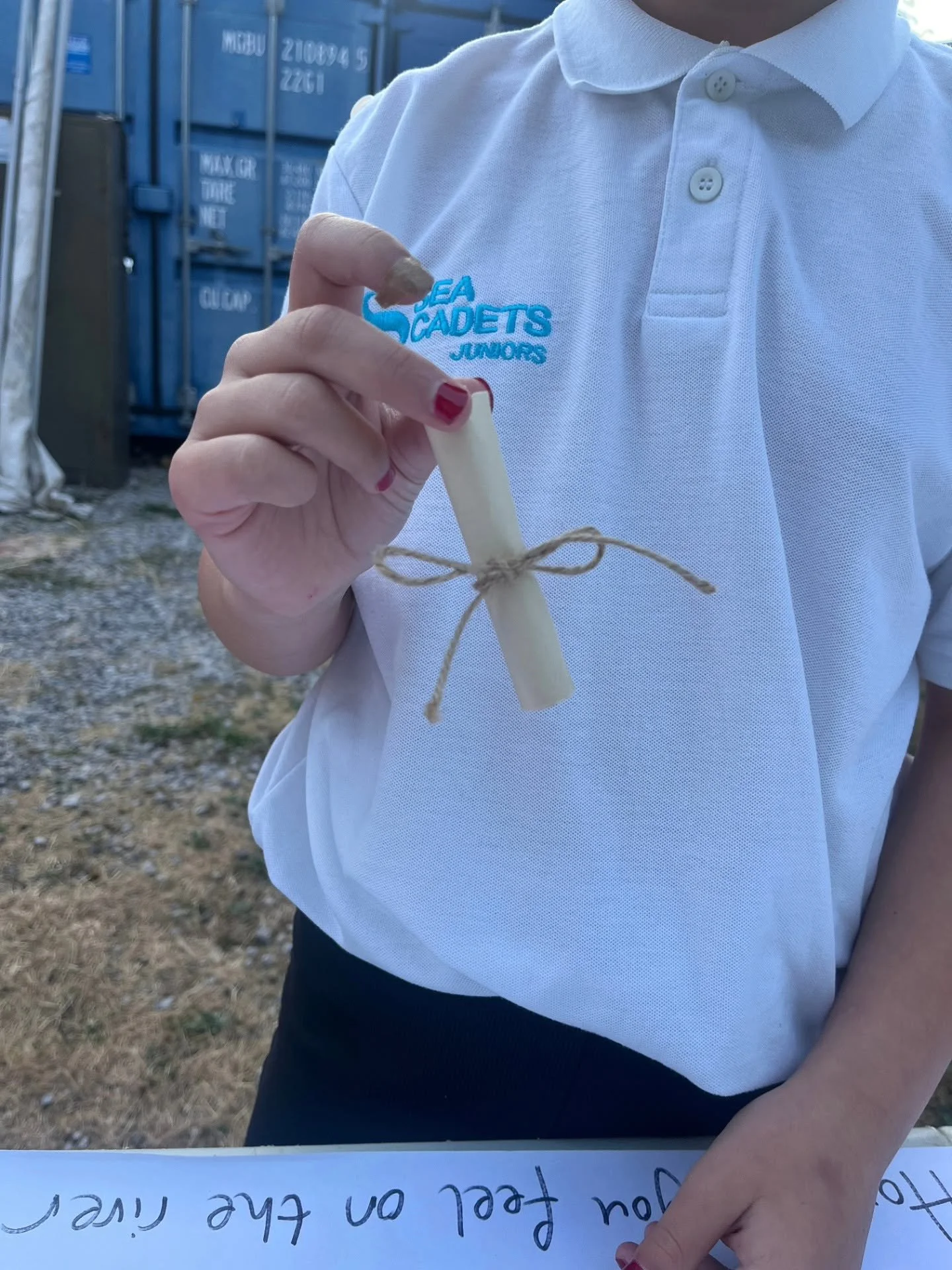
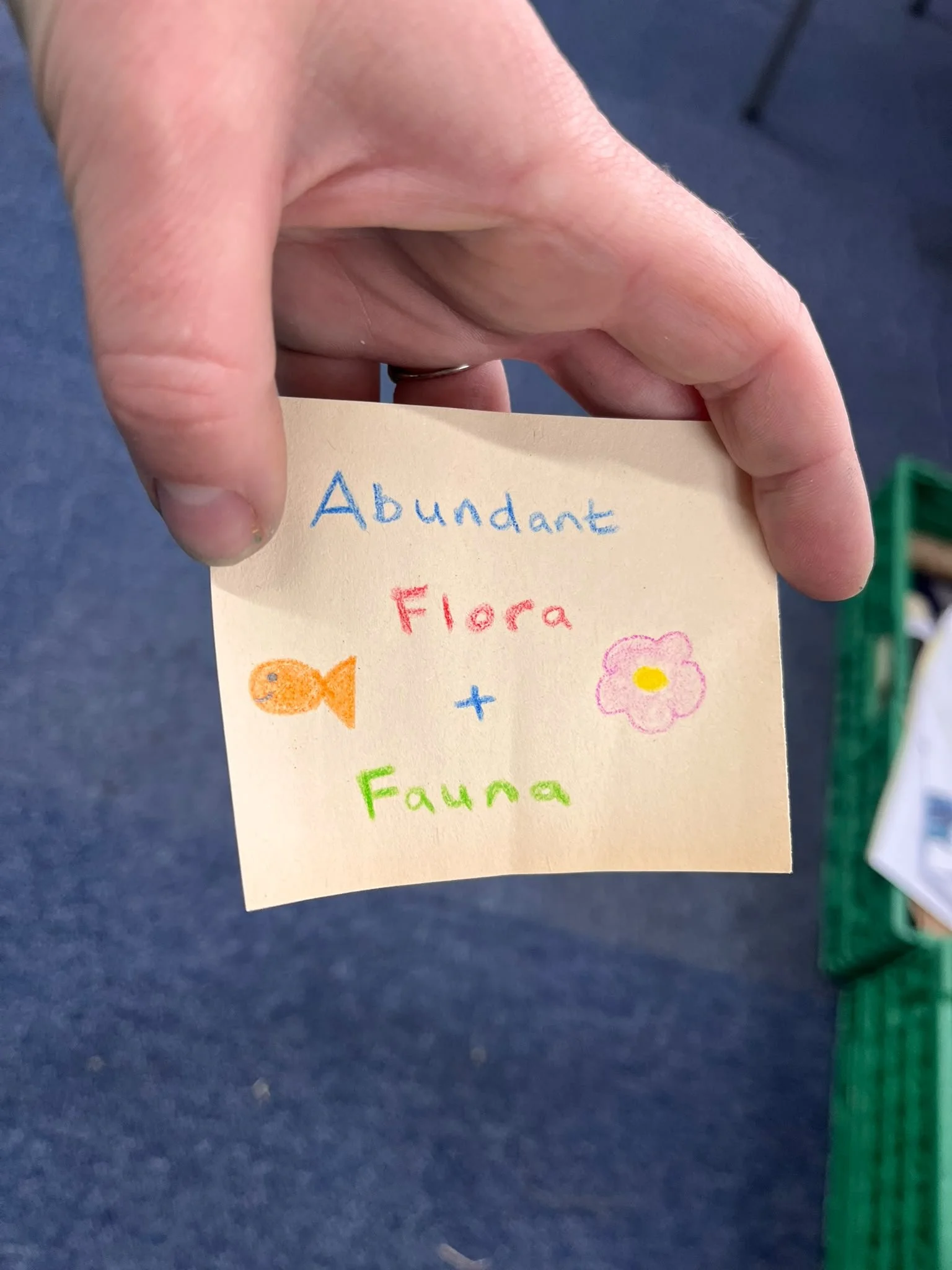
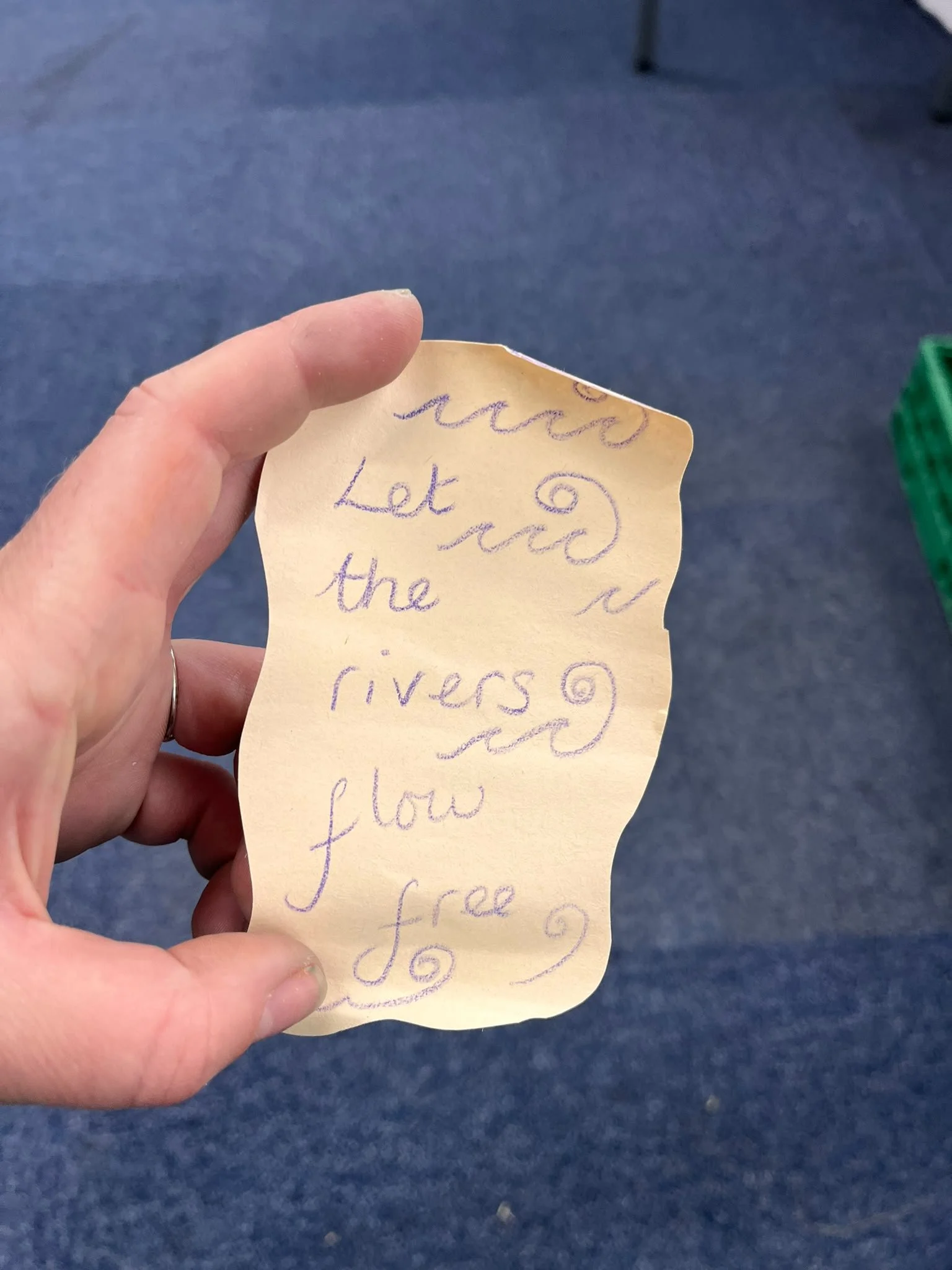
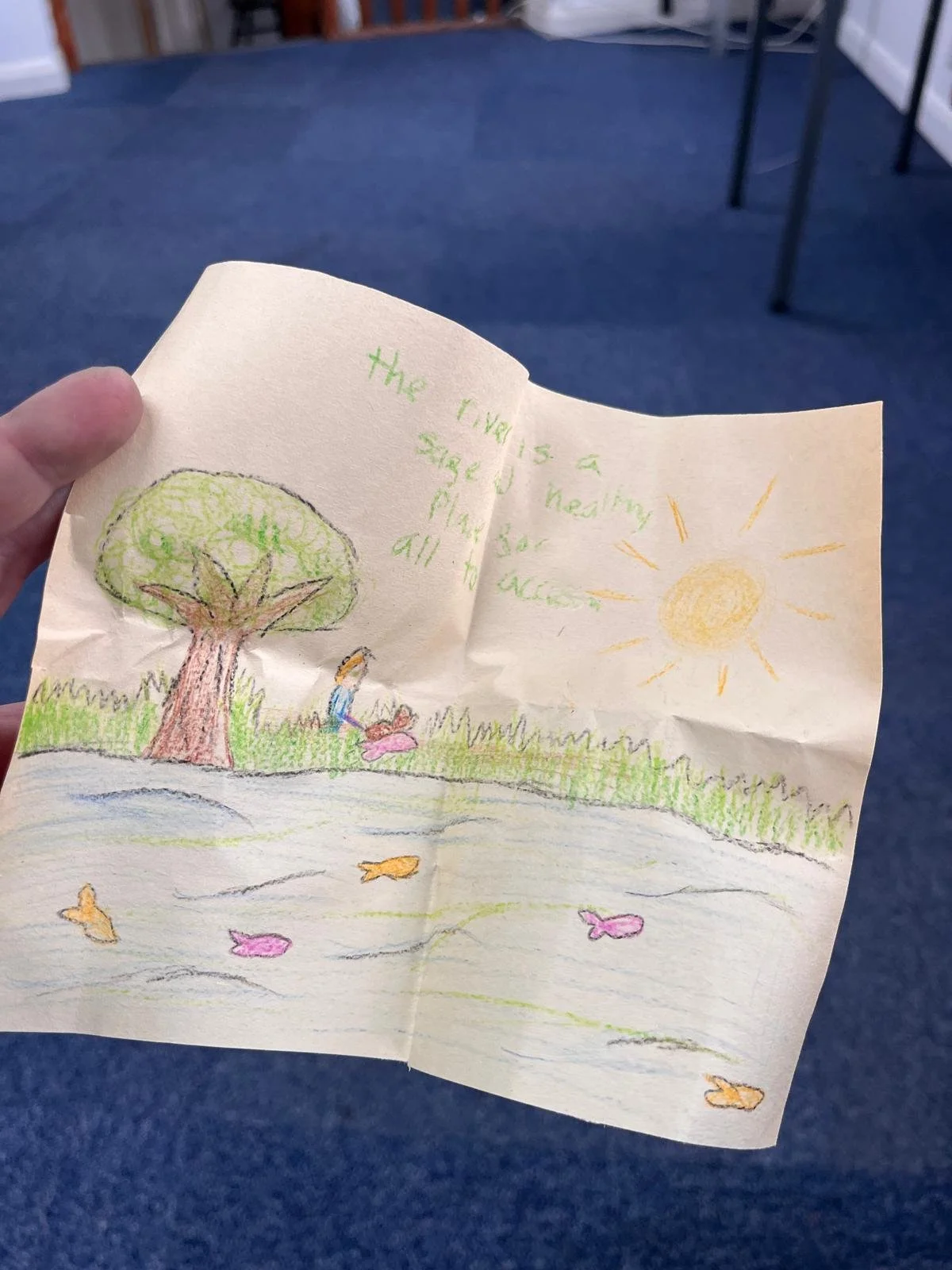
We are all protectors of the river.
Everyone has their own interpretation of what the river protector might look like. Each community might have its own costume.
This could be made from the flora and fauna of the local area. A celebration and ritual dance is done under moonlight to bring the river protection and luck. Communities might make offerings and pledges to the river.
River Protection - Next Steps…Feeling inspired to get involved in River Protection?
You might be interested in the River Rights network https://www.riverrights.org
There is even a campaign to get a River Trent Charter recognised! You can find out more here: https://newarkandsherwood.greenparty.org.uk/river-trent-charter/
We’d also really recommend Robert McFarlane’s book ‘Is a River Alive?’
Thank you very much to the wonderful Stafford and Rugeley Sea Cadets, and to the people who joined in the public family workshop for helping us develop this section of the cabinet.

This project has been commissioned by Staffordshire Wildlife Trust, as part of the Trent Valley Past and Present Project. It is made possible with The National Lottery Heritage Fund, with thanks to National Lottery players.
Find out more about the wider project here: https://www.thetrentvalley.org.uk/projects/tvpp/